







RECIPES
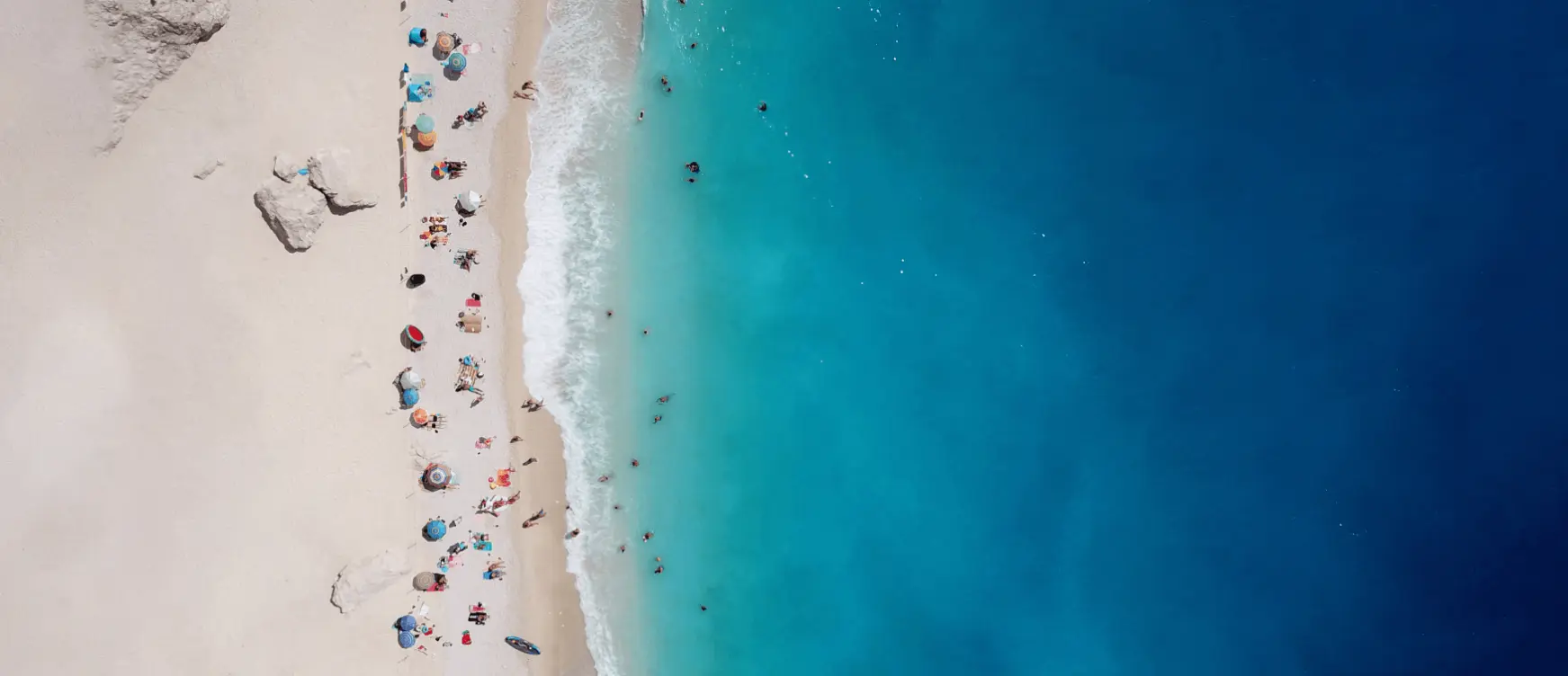


Did you know that Greece has around 6,000 islands, islets and rocky islets? 2,000 of them are islands and only 107 of them are inhabited!
Athens is one of the few coastal cities worldwide that is surrounded by mountains. These are Mt. Hymettus, Mt. Penteli, Mt. Parnitha and Mt. Aigaleo.
Did you know that Greece hosts 50% of the brown bear population in western & southern Europe.
In Greece, people celebrate the “name day” of the saint that bears their name in a similar way to their own birthday.
Greece has one of the richest varieties of wildlife in Europe, including 116 species of mammals, 18 of amphibians, 59 of reptiles, 240 of birds, and 107 of fishes.
Did you know that Greece is the third largest producer of olive oil in the world? Greeks have cultivated olive trees since antiquity. Some of the olive trees that are still producing olives date back to the thirteenth century.
Did you know that most days of the year are sunny in Greece? 250, to be exact.
Did you know that Greece has the biggest EU consumption of olive oil per capita, with around 12 kg per person per year?
Τhe concept of democracy developed in Athens around the 6th century BC. The Greek word demokratia (δημοκρατία) meant “the power of the people”.
Greek is one of the oldest spoken languages in Europe since it has been spoken for more than 3.000 years.
Continuously inhabited for over 7,000 years, Athens is one of the oldest cities in Europe.
About 7% of all the marble produced worldwide comes from Greece.
Did you know that Greece is the third largest producer of olive oil in the world? Greeks have cultivated olive trees since antiquity. Some of the olive trees that are still producing olives, date back to the thirteenth century.
The very first sprint race of the first Olympic Games in 776 B.C. was won by Coroebus of Elis, a cook!
Greece is a leading producer of sea sponges.
700 plant species of Greece are endemic, meaning that they may be found only in Greece; approximately 20% of those are aromatic or medicinal plants.
An old Greek legend says that when God created the world, he sifted all the soil onto the earth through a strainer. After every country had good soil, he tossed the stones left in the strainer over his shoulder and created Greece.
The first philosopher is considered to be Thales of Miletus (c. 624 – 425 B.C.). He is credited as giving the first explanation for the origin of the world that was not mythological.
Did you know that Greece is the 4th largest cheese producer worldwide. Greeks eat 28 kg per capita per year. And guess what, mostly feta cheese!
The species and subspecies of the native plants in Greece are about 6,000, almost as much as 50% of the native plants of Europe!
Travel to the heart of the Cyclades
Timeless Roots, Vibrant Spirit
A rising destination in the Cyclades
The Big Blue
The "handmade" island
The island with heavenly beaches
Welcome to the Cyclades
The Exciting Island
Simply irresistible
An island of raw beauty
A balanced and harmonic cycladic island
Anti-conformist & carefree
The Chalk Island
Bathed in the sunlight of the Aegean Sea
A piece of heaven in the Lesser Cyclades
The head priest of the Cyclades
A Butterfly-Shaped Island
The Sponge Harvesting and Rock Climbing Island
The wild beauty of the Dodecanese
Wild and Beautiful
A Remote Treasure Island
Hippocrates’ Island
Calypso’s Island
A lesser known gem in the Dodecanese
Island with a Unique Volcanic Terrain
Religious legacy meets beauty of Nature
The island of vivid contrasts
A Fairytale-like Island
The perfect choice for a laid-back holiday
The island of the Great Gods
A Tapestry of Natural Wonders and Cultural Riches
An island of sheer beauty
The island of Hera and Pythagoras
The island of glorious past & pristine beauty
An archipelago away from the crowds
Τhe remote islands of ship owners
Share your moments in Greece