Όμηρος
«Ξένε μου, καλωσόρισες, έλα να σε φιλέψουμε κι αφού το δείπνο μας χορτάσεις, τότε μας λες τον λόγο της επίσκεψής σου.»
Οδύσσεια



Η Ελλάδα σου
Εμπειρίες που σου ταιριάζουν. Ανακάλυψε την Ελλάδα όπως τη φαντάζεσαι, κάθε εποχή
«Ξένε μου, καλωσόρισες, έλα να σε φιλέψουμε κι αφού το δείπνο μας χορτάσεις, τότε μας λες τον λόγο της επίσκεψής σου.»
Οδύσσεια
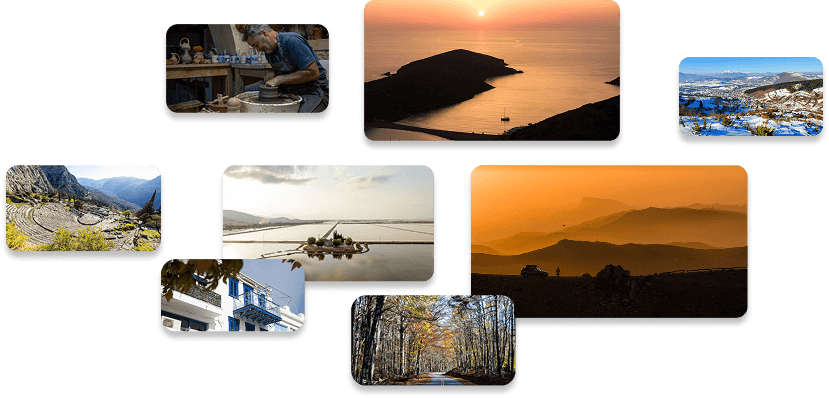
Κάθε ταξιδιώτης είναι μοναδικός, το ίδιο και το ταξίδι του.
Ανακάλυψε κορυφαία γεγονότα και εκδηλώσεις 365 ημέρες τον χρόνο

21/06/2025 - 30/11/2026
Σαντορίνη (Θήρα)
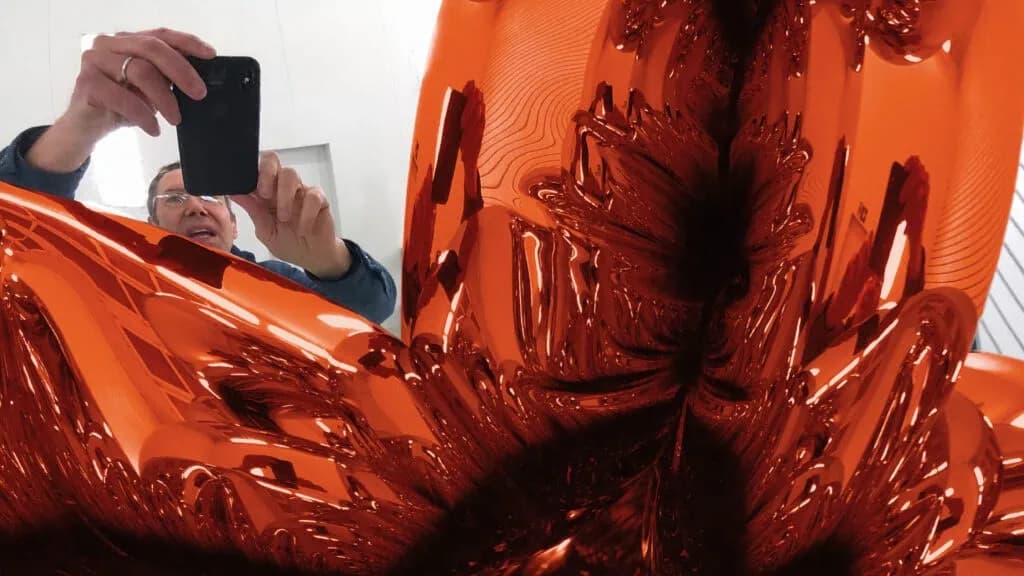
Εκθέσεις
20/03/2026 - 31/08/2026
25/03/2026 - 31/10/2026
Ύδρα

Χορός
28/05/2026 - 19/09/2026
Αθήνα
Φεστιβάλ
15/06/2026 - 25/07/2026
Αθήνα

Εκθέσεις
16/06/2026 - 30/08/2026
Αθήνα

Φεστιβάλ
20/06/2026 - 29/08/2026
Επίδαυρος
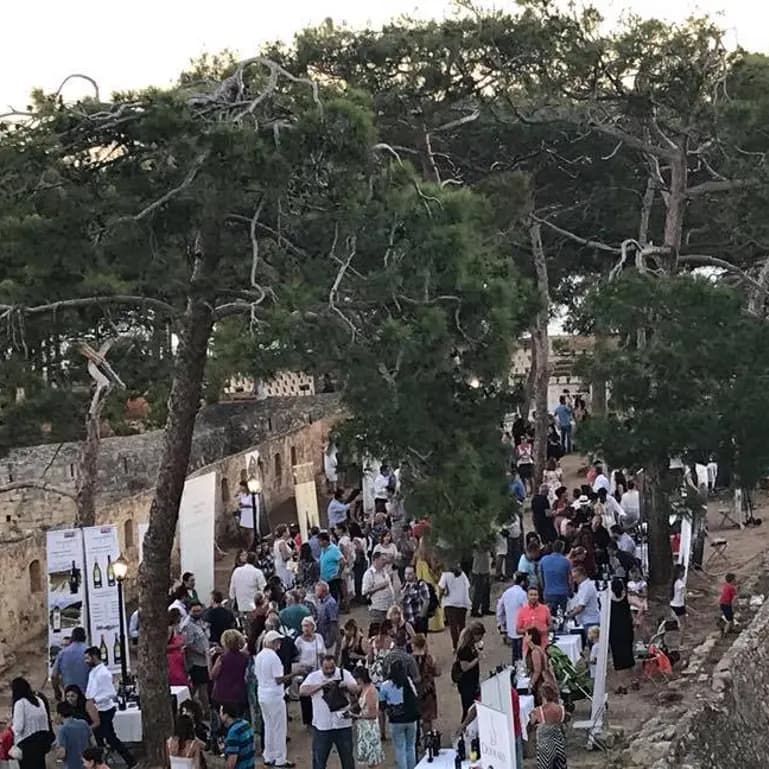
Φεστιβάλ
01/07/2026 - 01/07/2026
Ρέθυμνο
Αθλητισμός
03/07/2026 - 11/07/2026
Επικράτεια

Φεστιβάλ
14/07/2026 - 15/07/2026
Αθήνα
Αμερικανός Συγγραφέας
«Χρειάζεται μια ζωή για να ανακαλύψεις την Ελλάδα, αλλά αρκεί μια στιγμή για να την ερωτευτείς.»




Σύγχρονες υποδομές και υπηρεσίες υψηλού επιπέδου για κάθε επαγγελματική διοργάνωση.
Επίλεξε το τέλειο σκηνικό για την ιστορία σου
Δες τα όλαΤο δικό σου θερινό σινεμά, τι άρωμα έχει;Είναι κάτι νύχτες με φεγγάρι μες τα θερινά τα σινεμά νύχτες που περνούν που δε θα ξαναρθούν μ’ αγιόκλημα και γιασεμιά.Από τα πιο αγαπητά στο κοινό τραγούδια του Λουκιανού Κηλαηδόνη, το συγκεκριμένο είναι σχεδόν αδύνα...
Διάβασε Περισσότερα
Αντανακλώντας αλλαγές στις γεύσεις αλλά και τον τρόπο ζωής των Ελλήνων, η ελληνική ταβέρνα είναι ένα διαχρονικός θεσμός που εξελίχθηκε μέσα στους αιώνες. Δεν είναι απλώς ένα μέρος για φαγητό αλλά ένα καταφύγιο γεύσεων, ένα ταξίδι στη ζεστασιά της ελληνικής...
Διάβασε Περισσότερα
Ζήσε την Ελλάδα, μοιράσου την εμπειρίαΧρησιμοποίησε το #VisitGreece και δες τη φωτογραφία σου στο feed μας!
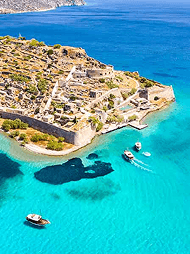
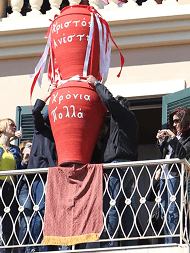
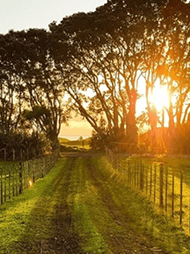
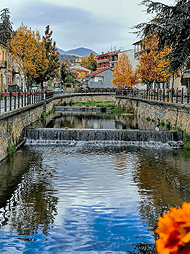
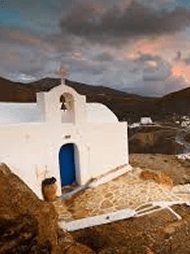

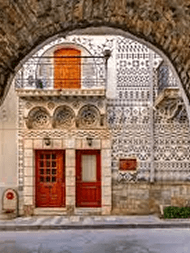
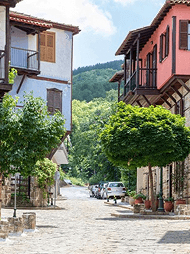
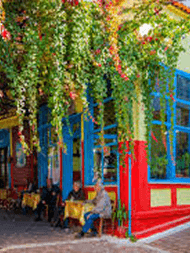

«Εσείς στεριές και θάλασσες τ’ αμπέλια κι οι χρυσές ελιές ακούτε τα χαμπέρια μου μέσα στα μεσημέρια μου "Σε όλους τους τόπους κι αν γυρνώ μόνον ετούτον αγαπώ."»
Ο Ήλιος ο Ηλιάτορας
Όλα όσα χρειάζεσαι για ένα ξέγνοιαστο ταξίδι
Μικρές ιστορίες, μεγάλα μυστικά. Βρες έμπνευση για την επόμενη απόδρασή σου
Όλες οι ιστορίεςΘεματικές διαδρομές στην ανεξερεύνητη πλευρά της Ελλάδας Διαδρομές που ζωντανεύουν ιστορίες και αποκαλύπτουν κρυμμένα μυστικά