A Journey Through the Nature and History of Messinia
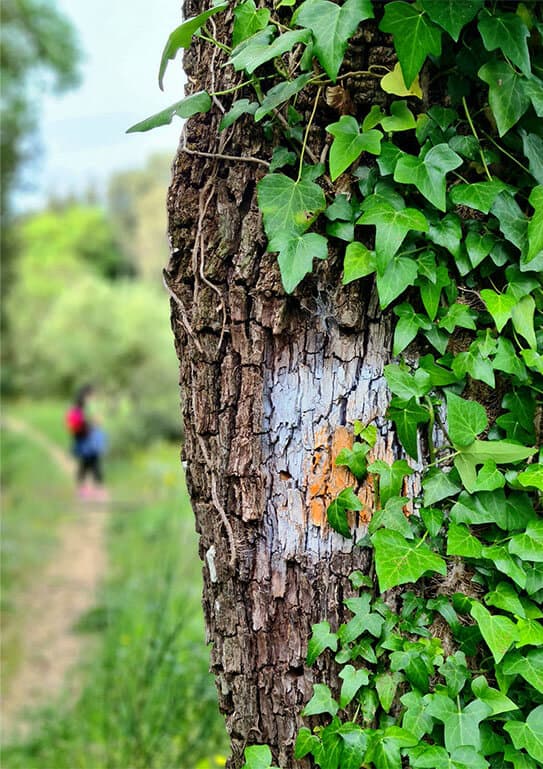
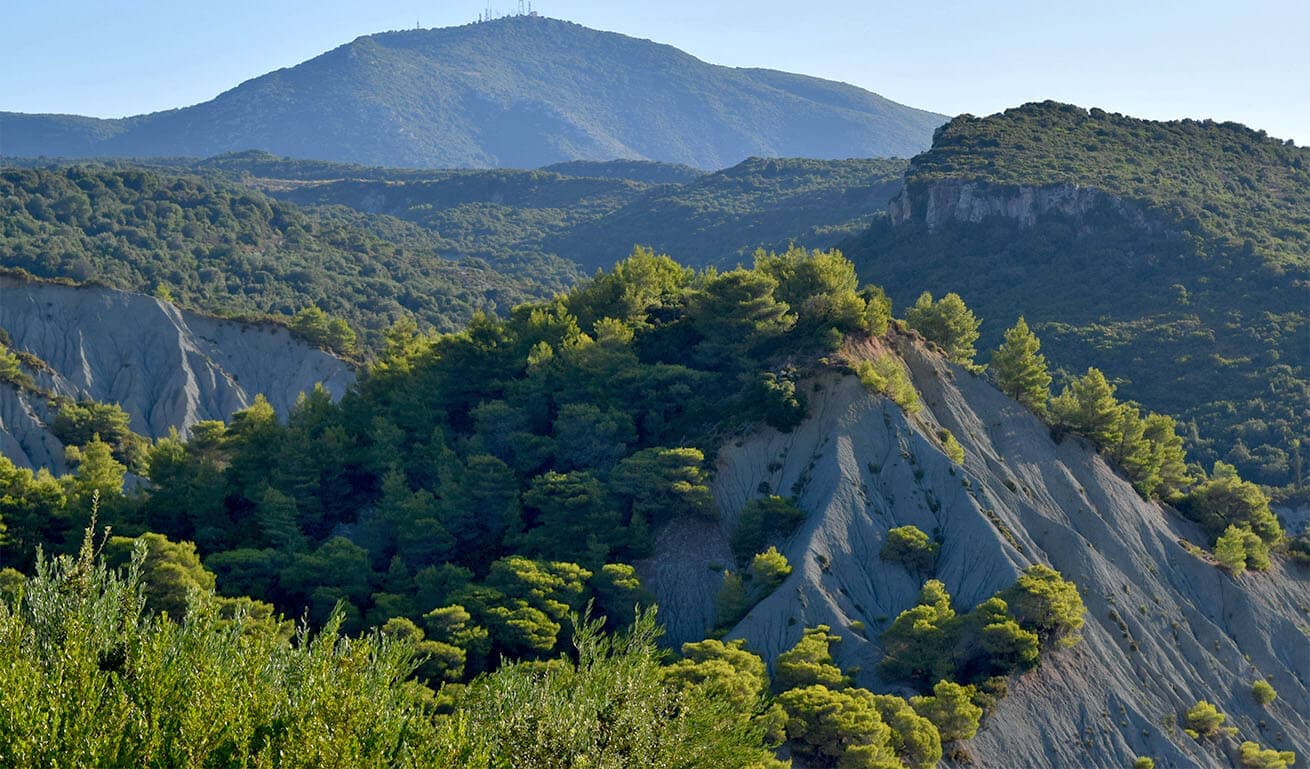
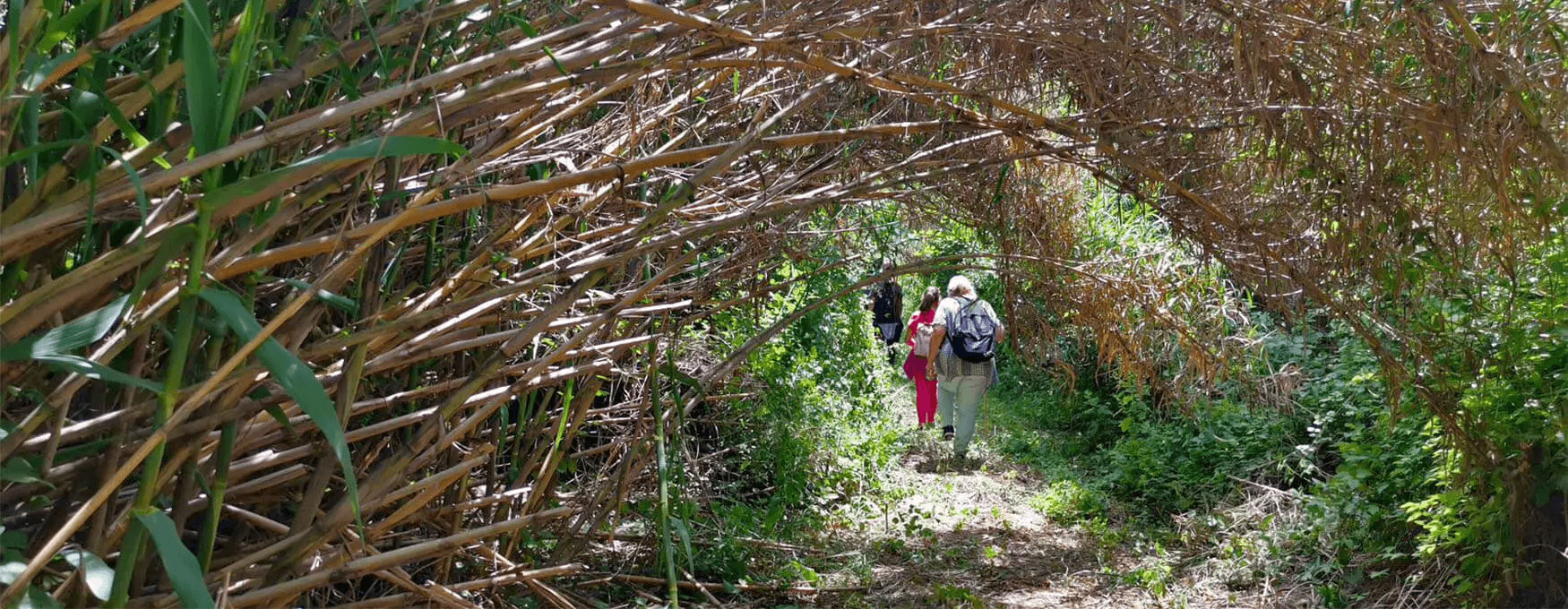
In the southern part of Messinia, the Minagiotiko Trail traverses an area of exceptional beauty, part of which falls under the Natura 2000 network. The route follows the Minagiotiko River, starting from the village of Kato Ambelokipi and ending at the coastal village of Finikounda. The trail is fully signposted with signs providing maps and information about the local biodiversity and cultural monuments.
Historical Landmarks and Natural Sights
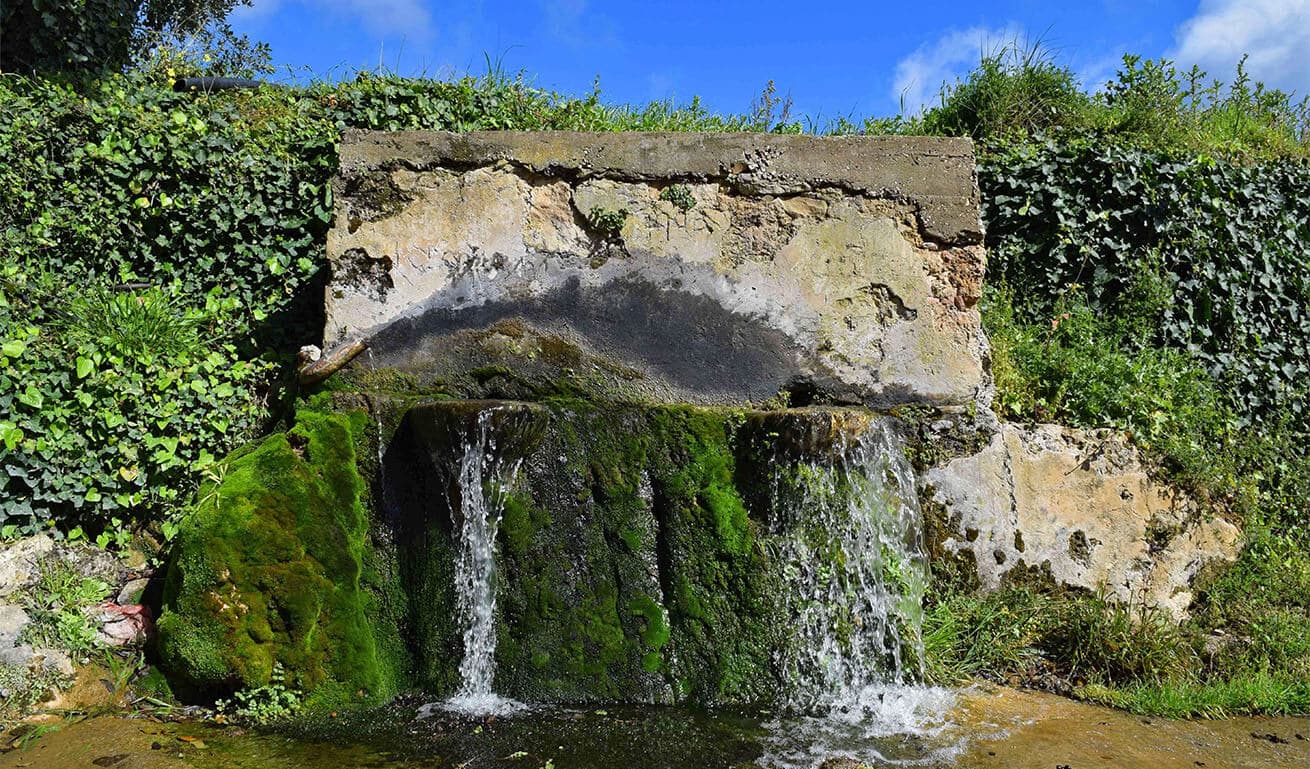
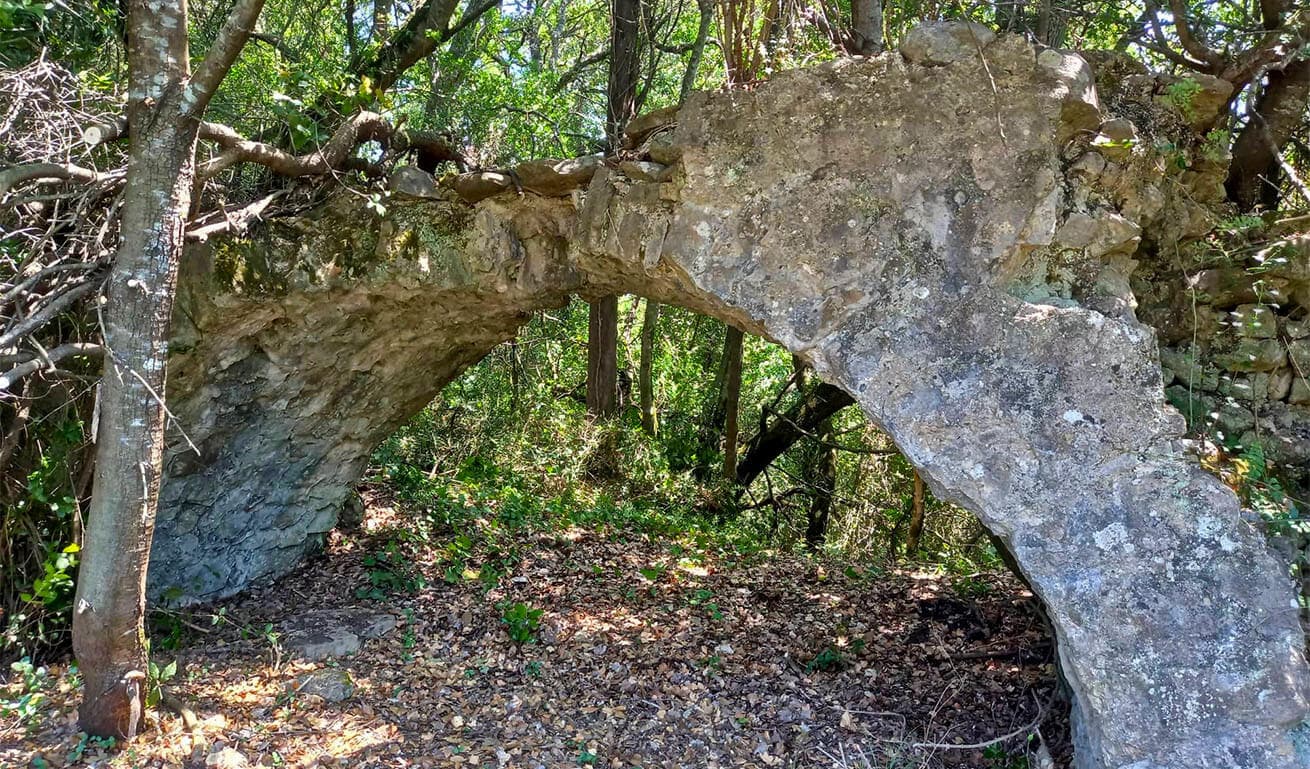
The route includes dilapidated medieval watermills, a historic fountain dating back to 1908, and a magnificent waterfall at the Palio Mylos location. One of the most impressive landmarks is the ruined 13th-century Frankish castle of Molines, perched atop a rocky outcrop. Then there is the Masoura watermill, which stands out with its water tower and single-arched aqueduct.
Biodiversity and Medieval Heritage
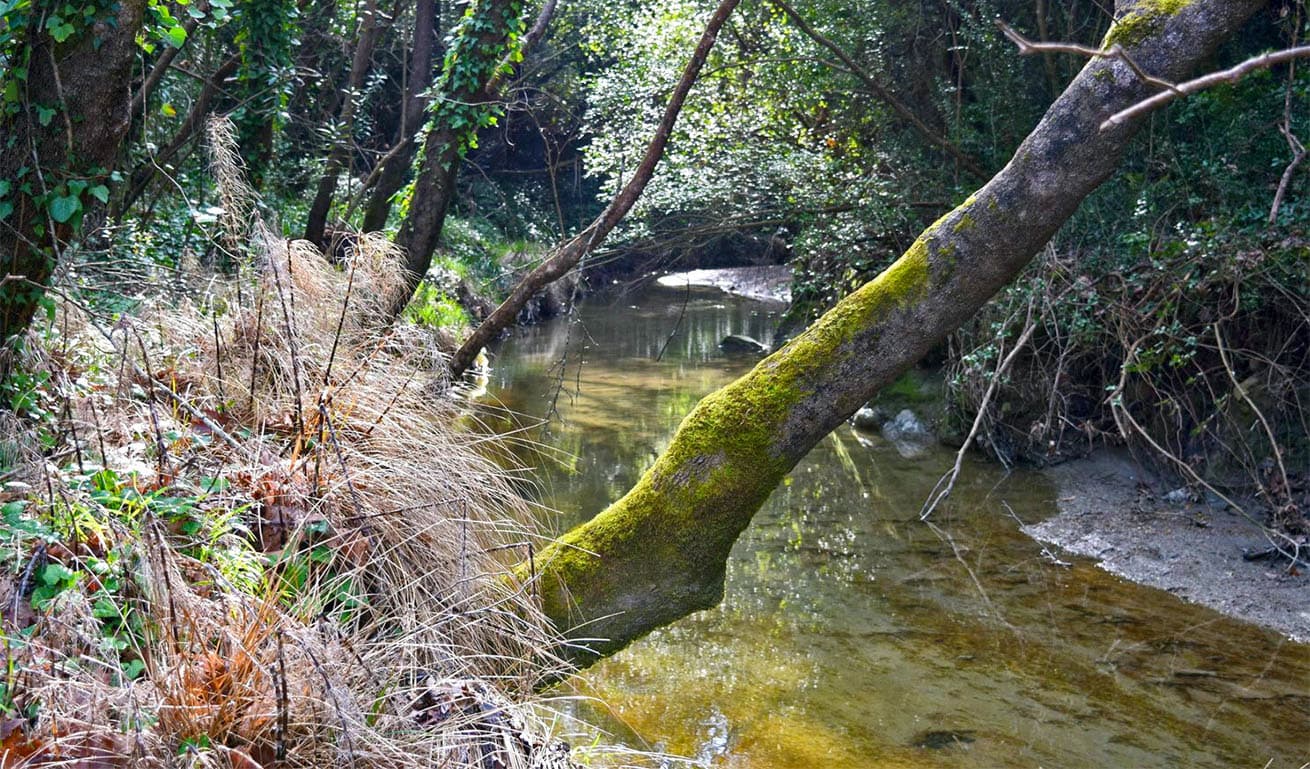
Upon entering the protected area, you will cross a forest of ancient plane trees, wild olive trees, carob trees, and oak trees. The area serves as a sanctuary for rare birds, including three endangered species of eagles. The route continues to a ruined medieval church and an idyllic lake with endemic fish and eels. Highlights include the fortified cave with its stalactites, while a medieval church with its apse intact survives above the rocks.
Route Information
The journey from Kato Ambelokipi to the cave is 14 kilometres long and takes approximately three hours. It is an ideal choice for adventure enthusiasts, and a guided tour is recommended for a deeper understanding of the monuments and the history of the area. The Minagiotiko trail offers an authentic experience, connecting the verdant Messinian landscape with the azure sea, revealing secrets of centuries past with every step.
Historical Landmarks and Natural Sights
The route includes dilapidated medieval watermills, a historic fountain dating back to 1908, and a magnificent waterfall at the Palio Mylos location. One of the most impressive landmarks is the ruined 13th-century Frankish castle of Molines, perched atop a rocky outcrop. Then there is the Masoura watermill, which stands out with its water tower and single-arched aqueduct.
Biodiversity and Medieval Heritage
Upon entering the protected area, you will cross a forest of ancient plane trees, wild olive trees, carob trees, and oak trees. The area serves as a sanctuary for rare birds, including three endangered species of eagles. The route continues to a ruined medieval church and an idyllic lake with endemic fish and eels. Highlights include the fortified cave with its stalactites, while a medieval church with its apse intact survives above the rocks.
Route Information
The journey from Kato Ambelokipi to the cave is 14 kilometres long and takes approximately three hours. It is an ideal choice for adventure enthusiasts, and a guided tour is recommended for a deeper understanding of the monuments and the history of the area. The Minagiotiko trail offers an authentic experience, connecting the verdant Messinian landscape with the azure sea, revealing secrets of centuries past with every step.