A religious celebration the roots of which are lost in time
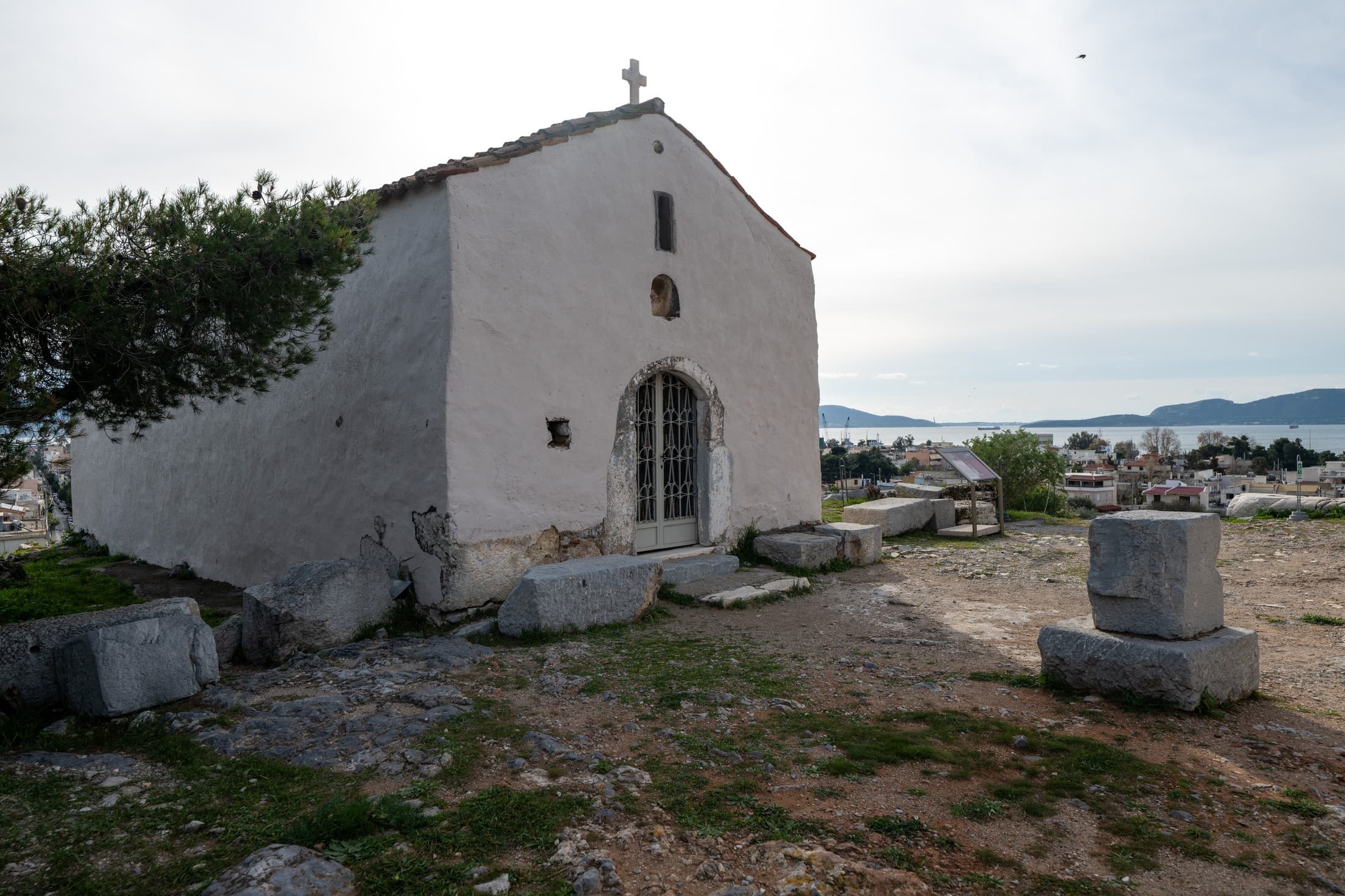
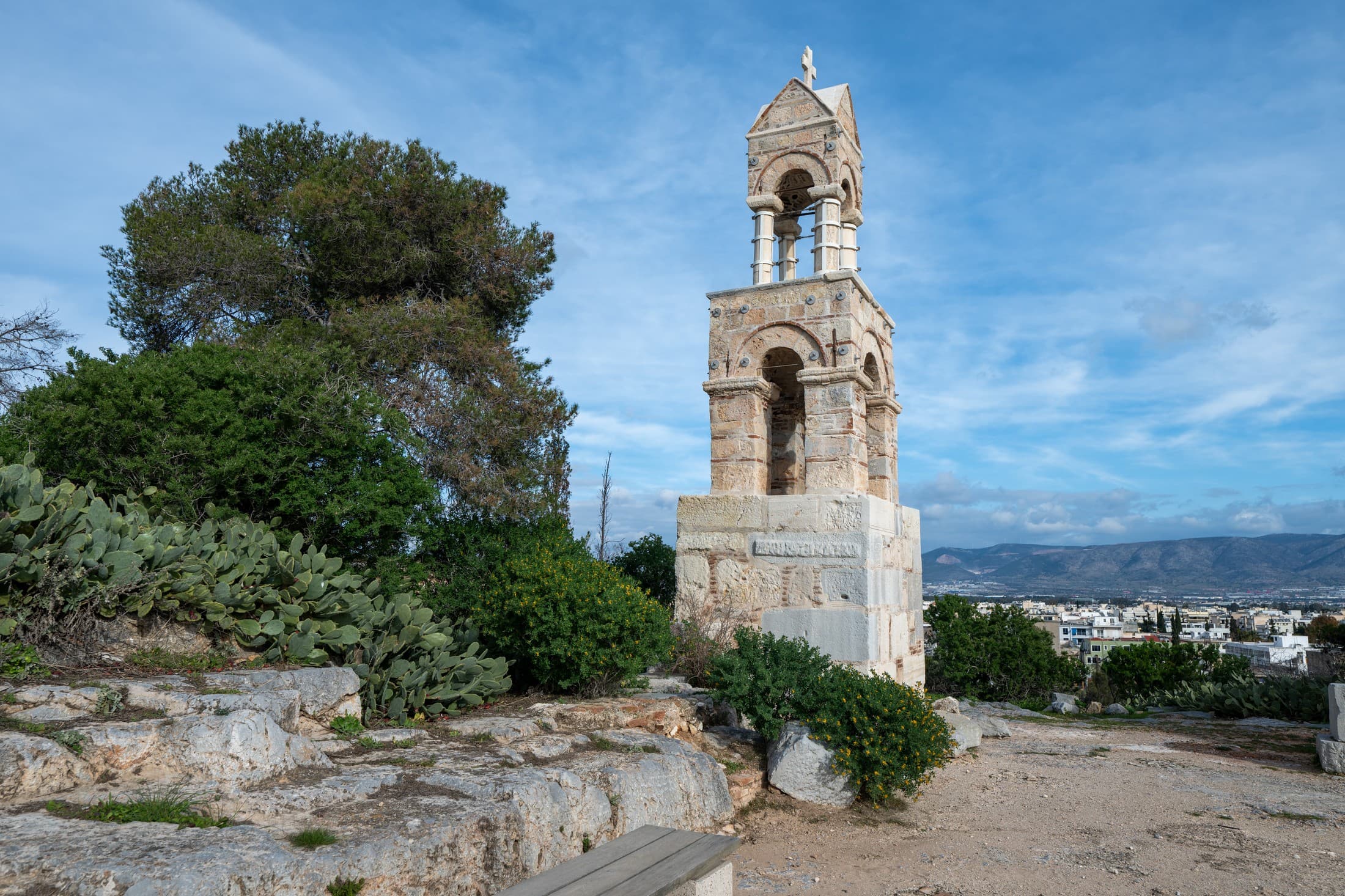
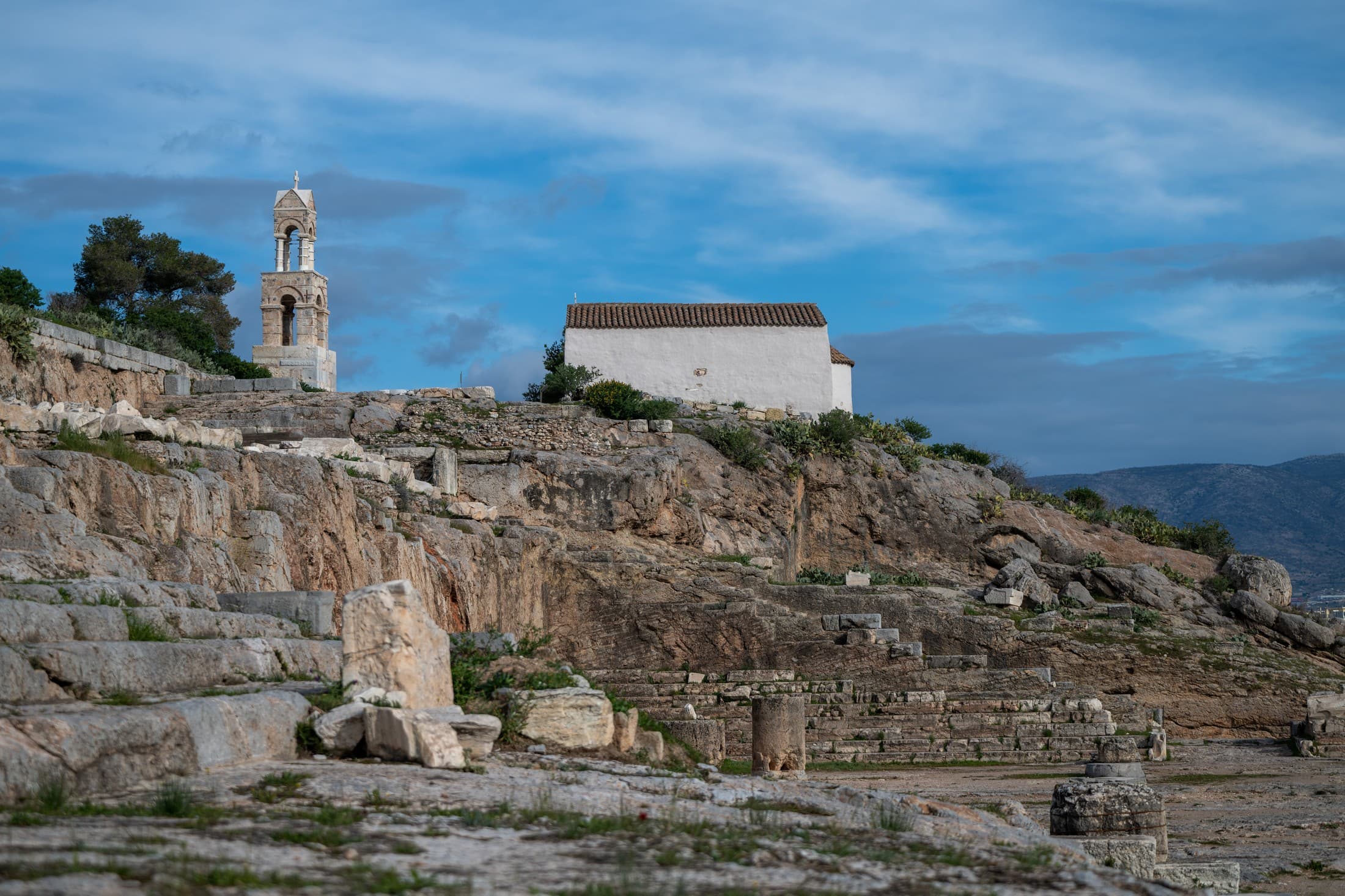
Every year on November 20, on the eve of the Presentation of the Theotokos, Elefsina revives one of its oldest rituals: the feast of Panagia Mesosporitissa, also known as ‘Panagitsa sta Archaea’. The custom has its roots in the Eleusinian Mysteries and it is performed inside the archaeological site, in the small post-Byzantine church of Panagia, which has been built on the site where the sanctuary of Demeter was located. When the land is calm once more after sowing, the locals gather to give thanks and bless the new crop.
The ceremony begins with Vespers and the blessing of the offerings, bread, oil, and wine, the same foods that accompanied the ancient celebrations of Demeter. The faithful bring with them pieces of paper bearing the names of their family members, which are read out in the prayer “for the fertility of the fruits of the earth.” At the end, the bread is shared among everyone in an act of joint supper and unity, as was once done in the ancient mysteries.
Preparation of the polysporia was also revived in 2014 and continues to this day, thanks to the initiative of the ‘Adrachti’ Folklore Association of Elefsina. This is a sacred food made with boiled grains and legumes, molasses, pomegranate, and raisins, that symbolises fertility and the continuity of life, that is shared with everyone after Vespers.
The feast of Panagia Mesosporitissa has been included in the UNESCO Intangible Cultural Heritage List. Besides being a religious ceremony, it is also a meeting between the human and the divine, the ancient and the modern. For Elefsina locals it is a silent reminder that the earth – even in its industrial transformation – continues to nourish, remember, and unite.
The ceremony begins with Vespers and the blessing of the offerings, bread, oil, and wine, the same foods that accompanied the ancient celebrations of Demeter. The faithful bring with them pieces of paper bearing the names of their family members, which are read out in the prayer “for the fertility of the fruits of the earth.” At the end, the bread is shared among everyone in an act of joint supper and unity, as was once done in the ancient mysteries.
Preparation of the polysporia was also revived in 2014 and continues to this day, thanks to the initiative of the ‘Adrachti’ Folklore Association of Elefsina. This is a sacred food made with boiled grains and legumes, molasses, pomegranate, and raisins, that symbolises fertility and the continuity of life, that is shared with everyone after Vespers.
The feast of Panagia Mesosporitissa has been included in the UNESCO Intangible Cultural Heritage List. Besides being a religious ceremony, it is also a meeting between the human and the divine, the ancient and the modern. For Elefsina locals it is a silent reminder that the earth – even in its industrial transformation – continues to nourish, remember, and unite.