Visit Greece

Visit Greece

Travel Tips

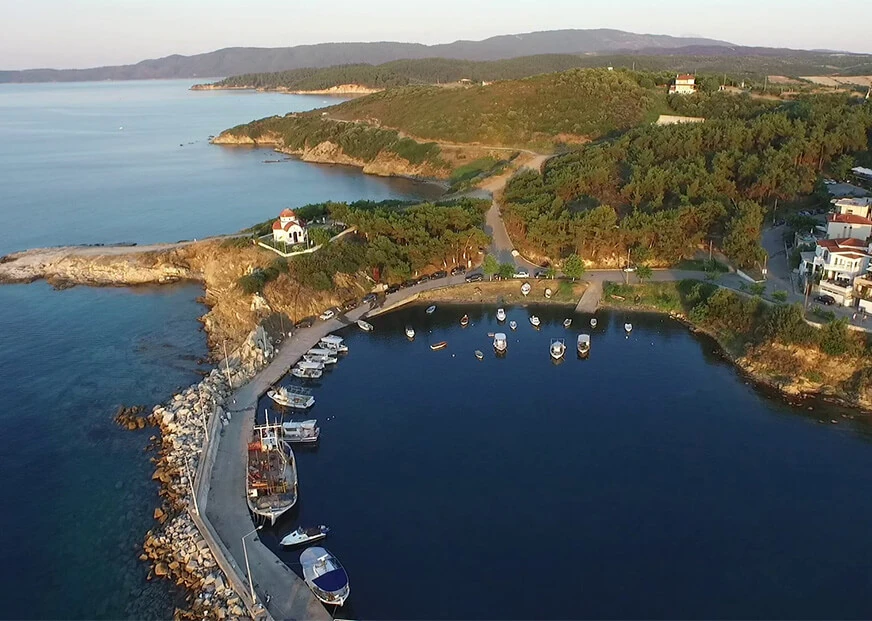
Discover North Evia – hidden paradise of Greece

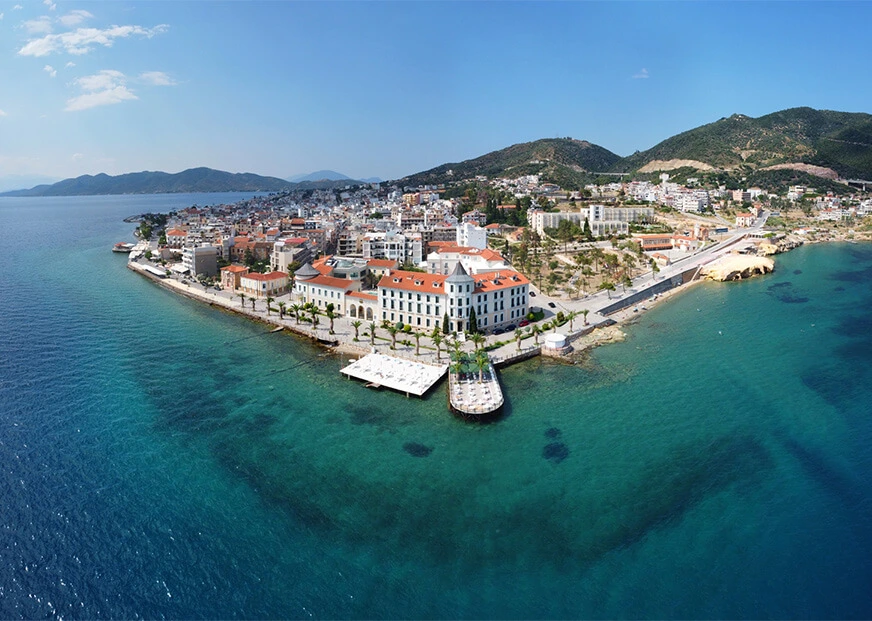
In the era of mass tourism it is not easy to find some hidden and undiscovered spots in Europe. One of the hidden paradise of Greece is North Evia – a place where you will feel like at home, with possibility to meet local people and understand traditional way of life, hear about mythology and history, try local and authentic food. From spa towns to wine tourism and from volcanic islands to best beaches in Greece – Evia is destination that you have to discover this summer. Evia, the second largest island of Greece and the third in the eastern Mediterranean, is located close to the Prefecture of Attica. However, it has a somewhat mainland character, since two bridges – the modern, suspended one and the older, sliding one – link it to mainland Greece, called “Sterea Ellada”. Evia has wonderful beaches, a pleasant climate, renowned monuments, many thermal sources and tasty food and is, therefore, a popular and nearby destination for the inhabitants of Athens. Various findings in several parts of the area (Istiaia, Kirinthos, Psachna, Amarynthos, Artaki, Karistos etc.) evidence that Evia was inhabited from the Paleolithic Era. Orei, Evia | © Ivan Andrejic Important archeological findings have been excavated from the period of copper. Ruins dating back to the Early Helladic period have been found in Lefkanti, Vasiliko and in Manika, Chalkida, while in Oreoi and Aliveri ruins of the Middle Helladic period have been found. Finally, tombs and ruins of post Hellenic and Mycenaean era have been excavated in many areas of Chalkida. The ancient cities of Evia established important colonies in the Mediterranean sea (Chalkidiki, Asia Minor, Southern Italy), while Eretria was one of the most powerful cities during the Classic period. During the Byzantine era, Evia was very prosperous and formed part of the Department of Greece. During the Ottoman occupation, Evia was under Turkish control even after Kapodistrias’ arrival, and it joined to Greece only after the firman of 13th of June 1830. After the tragedy of Asia Minor in 1922 a lot of refugees installed themselves permanently in Nea Artaki and Nea Lampsakos, as well as in refugee settlements in Chalkida and Amarynthos. During the Second World War, Evia was bombarded by the Germans while the resistance of the locals was very strong. A famous resort, which accommodates around 40.000 tourists during summer. The area is popular for its thermal spas which Aristotle and Plutarch used to visit. Nowadays, there are more than 80 thermal springs with temperature from 28° C to 86° C. The curative characteristics of these springs help diseases like arthritis, while with spa-therapy women can treat gynecological diseases and men sexual dysfunction. The settlement of Aidipsos is located 4km NE of the spa city. As for the region of Aidipsos, it is located 111 km NW of Chalkida. Aidipsos is connected by ferry to Arkitsa, Fthiotida. Lichadonisia is an island complex off the north west of Evia. Today this archipelago is famous as Caribbeans of Europe because its exotic colors and all shades of blue. The islands located opposite Lichada cape in the north-western extreme of Evia and opposite of small town Kamena Vourla in Central Greece mainland. Administratively, they belong to Istiaia-Aidipsos municipality, in Evia regional unit. The archipelago consists of seven beautiful islands. The biggest of them is Manolia and is the only that had residents in the past. Other islands are Strongyli, Mikri Strongyli, Steno, Vagia, Vorias and Limani. The biggest island – Manolia is visited by many tourists in the summer months. © Ivan Andrejic Gialtra is one of the best kept secrets of northern Evia, it is a fishing village where tourism is just beginning, so you will have beautifull beaches just for yourself. Gialtra is also a Spa like near by Aidipsos and you can find mineral springs and warm waters all year round. Locations near Gialtra include the Ancient city of Athinai Diades and the Village of Agios Georgios Gialtras. Wine tourism is very important for northern Evia and one of the most famous wineries is Vriniotis winery located in Gialtra, in North Evia , just a few kilometers from the Aidipsos and is open for visits every day of the year and the view is breathtaking. The tour follows a unique path through the vineyard , the old wine press , the winery , the cellar of oak barrels and ends in the tasting room, where visitors can taste and buy wines.
03/02/2025
Discover North Evia – hidden paradise of Greece
Travel Tips

The Xerxes Project: Eastern Halkidiki, the place where the Persian King Xerxes passed

The only Persian “step” in Europe The Canal of Xerxes is the largest technical project that took place in Halkidiki during the ancient era. According to Herodotus, in 480 B.C., during the Median wars, Xerxes, the king of Persians, wanted to lead his large fleet from Akanthos to Thermi (the name of Thessaloniki then) avoiding the danger of the Athonite circumnavigation and avoid having the same fate Mardonios had a decade ago. So, he ordered the opening of a canal that extended from today’s Nea Roda to Tripiti (Eastern Halkidiki) and connected the Akanthios Gulf to Athonian Bay where the cities Assa, Piloros, Siggos and Sarti, that had been already subjugated to Persians, were located. Although the canal was mentioned by Herodotus, who described its dimensions in detail, and by ancient historian Thucydides, it has been an object of dispute by historians. The main dispute came from Dimitrios the Skipsios, who observed that the one end of the canal had a hard rock, which was impossible to have been dug at the time of the construction, a fact that led him to assume that a diolkos existed there. In general, several other writers supported the case of the diolkos, as in ancient Corinth. According to the description of Herodotus, Xerxes assigned the project to Artachei and Vourvaro. It is said that the huge Artacheis, who was an Achaemenid, was taller than any other Persian, almost 2,5m tall and had a booming voice. However, just before he finished the construction of the canal, he became very ill and died, an event that Xerxes considered to be a bad omen. He was buried in Akanthos with great honors. The canal has been discovered between the villages of Nea Roda and Tripiti. The canal is 2km long and 30m wide. Its maximum depth is estimated to be 15m. It is visible from a high altitude, since the place has been suffered subsidence. In 2008, British and Greek engineers made research that showed the exact location and size of the canal, thus rejecting the theory of diolkos. Eastern Halkidiki is running a storytelling campaign inspired by the “spirit” of the Persian King. Thus, special tourism forms are already developed, such as trekking and biking on the route of Xerxes, fishing where Xerxes passed, gastronomy, wine tours, ancient Greek and Asia Minor, culture, conferences, environmental actions, school tourism, luxury and high-end tourism, honeymoon, weddings, sports tourism-sports competitions, yoga, all under the communication auspices of The Xerxes Project. Ancient crops, such as pomegranates, wheat, reeds, etc. will compose an environmental park of peace, which will come into direct confrontation with the past, which marked the passage of Xerxes towards war.

31/01/2025
The Xerxes Project: Eastern Halkidiki, the place where the Persian King Xerxes passed
Travel Tips

Fall in Love with Parga, the Bride of Epirus

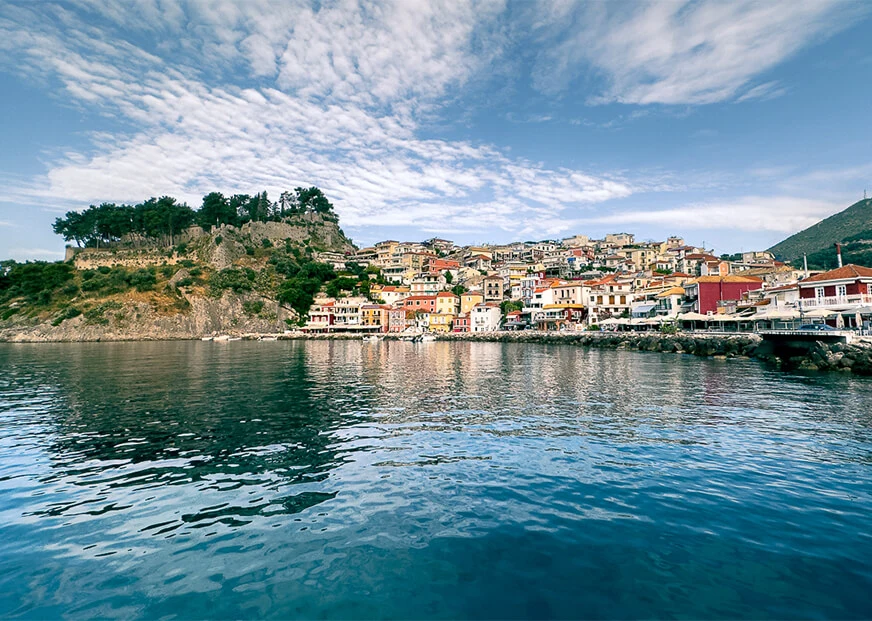
Let’s visit Parga in Epirus, Greece. This romantic coastal town ranks among the prettiest places on the Greek mainland. The Region of Epirus in Northwestern Greece features ancient forests and antique stone villages in the Pindus Mountains. Epirus further boasts beautiful beaches and Venetian port towns on the Ionian Sea. Surrounded by mountains and set on the sea, Parga offers the enchanting ambiance of the Greek Islands. Due to its mainland location, however, Parga is accessible by car or bus from Athens and other destinations. Arriving in Parga, Epirus Since Old Town Parga is a pedestrian zone, there’s a public parking lot. Let’s stroll down narrow streets that wind like an ancient labyrinth through white-washed alleys and flower-draped archways. Suddenly, a vibrant view opens. Suddenly, it’s clear why Parga is called “the Bride of Epirus.” Because Parga takes the breath away with her natural beauty, elegance, and charm. Centuries-old houses in marvelous colors curve up the hillside to the medieval Parga Castle. Fishing vessels, excursion boats, and pleasure craft bob at anchor in the picturesque port. Directly across lies the little islet of Panagia, with chapels and the ruins of a 19th-century French fort. Experiencing Parga, Epirus Beach lovers soak up the sun on sandy Krioneri Beach, the cute beach right on the promenade. Some people swim the short distance from Krioneri Beach to Panagia. Others take a five-minute ride via water taxi. Paths on Panagia meander through lush greenery, inviting you to explore and enjoy the scenery. Besides the town beach, spectacular beaches await nearby, for instance, Valtos Beach, Lichnos Beach, and Ammoudia Beach. Valtos Beach and Ammoudia Beach are both 2024 Blue Flag Award winners for their pristine coastline and environmental stewardship. These beaches are a short drive from Parga’s historic center. Additionally, boat cruises sail daily from Parga’s dock during the season. The Parga area abounds with outdoor activities such as snorkeling, scuba diving, sailing, cycling, and hiking. Falling in Love with Parga, the Bride of Epirus Parga is a delightful resort destination for vacationing Greeks and international visitors in the know. It’s off the beaten path, but reachable. The mood is upbeat, energy is high, and vibes are positive during sunny days and lively nights in Parga. Yet Parga is also a real-life town where generations live, work, go to school, go to church, and raise their families year-round. So picturesque Parga inspired us not only to take a relaxing holiday but also to: Discover rich history and culture. Taste regional products and gastronomy. And meet the local community. In short, we fell in love with Parga, the “Bride of Epirus, Greece.” Come visit Parga in Epirus, Greece, and fall in love, too.

27/01/2025
Fall in Love with Parga, the Bride of Epirus
Visit Greece

Cultural New Entries in Greece: Suggestions for your 2025 travels

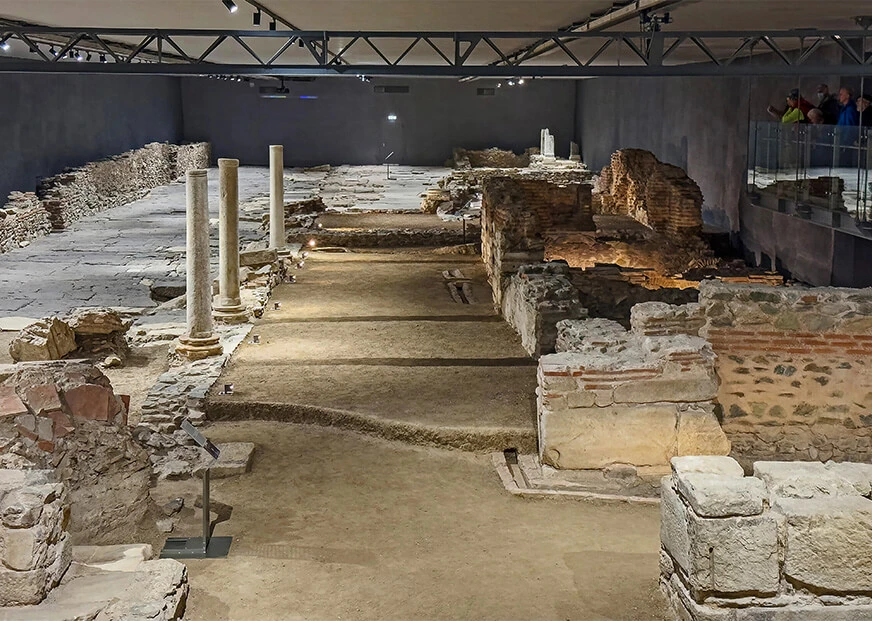
The New Year holds new experiences for us all. Here are a couple of ideas on cultural places and other attractions you might be interested in, while you visit Greece this year. The Acropolis Museum in Athens houses a small newly inaugurated museum on its basement level, titled Museum of the Excavation. The exhibits include the remains of houses, workshops, and cemeteries of the ancient neighbourhood around the Acropolis walls, before and after they were integrated in the urban grid of Athens City during the 5th c. BC. While you’re in the capital, make sure you also visit the Elytis House Museum located in Plaka, a traditional Athenian neighbourhood, in the city centre. It is dedicated to the life and extensive works of Odysseus Elytis, a famous 20th century Greek poet and a Nobel laureate. Visitors will get acquainted with his works of literature, visual art items, manuscripts, archives, and audio documents. They will also see Elytis’ study room, which includes his library (counting 700 volumes), his couch, table and favourite paintings. Museum of the Excavation | © Panoulis In the heart of Macedonia, North Greece, a new underground railway system was inaugurated in Thessaloniki City on November 30th, 2024. What’s special about it is that, during the excavations a staggering 300,000 archaeological finds were unearthed there! So, if you happen to travel to Thessaloniki and use the underground you will be able to see on Venizelou Station a large exhibition area where Decumanus Maximus, a Roman avenue, and the shops and houses which lined the ancient Via Egnatia are on display on the exact space and depth they were found! This site is the largest international archaeological location on display within a major modern-day underground public infrastructure facility. On Agia Sofia Station, too, you can visit another small museum on the ground level with numerous ancient finds which include the above Roman road and a public square of that time. During your summer holidays on Ios, a Cyclades Island in central Aegean Sea, you can visit the Gaitis - Simossi Museum, inaugurated in September 2024. Items on display include paintings, installations (by Gaitis) and sculptures (by Simossi), crafted by this couple, who lived and produced their art on Ios. The museum buildings are located on a hill offering amazing views of Chora (the island capital), and the harbour, as well as of the neighbouring Sikinos, Paros, and Naxos Islands. Anogeia, Crete Next, we will take you on a trip to the Greek South: a mountain village on the island of Crete has recently entered the list of the Best Tourism Destinations according to the United Nations World Tourism Organisation. Built on the slope of Mt Psiloritis, Anogeia is a community in Rethimno region, which fosters environmental protection and sustainable development, while promoting forms of alternative tourism. Visit this village to experience the warm hospitality of the locals, enjoy the lovely mountain scenery and traditional architecture. Have an authentic & responsible travel experience, taste the delicious local cuisine, and learn about the area’s history and cultural heritage.

17/01/2025
Cultural New Entries in Greece: Suggestions for your 2025 travels
Travel Tips

Zorba the Greek project – Giorgis (Zorba the Greek)!

Zorba the Greek, the hero of author Kazantzakis “lives” in Eastern Halkidiki! Giorgis (Zorba the Greek)! For a whole year, Giorgis has been wandering around Palaiochori. Just like in the beginning of the 20th century, back then, when old man Giorgis Zorba the Greek met Kazantzakis in the Monastic community of Mount Athos, and, since then, he became the main character of his work. Zorba the Greek never visited Crete. He spent 22 whole years living in Palaiochori– in a house with a woman (his wife) and 8 children. He walked exceptionally much. He walked or rode his mule to Mantem Lakko and he returned home at night. Afterwards, it was time for traditional appetisers in the tavern. When he did not work in the mine, he chopped wood in the forest near the village. He hunted. He collected mushrooms. And herbs. Zorba the Greek related to nature. On Sunday he wore his best outfit and went to church. On celebrations he was dancing. At festivals he was having fun. His life was simple and happy. Rather carefree. That’s how he liked it, that’s what he chose. Modern-day Giorgis also explores nature on the surrounding hills. Walking. Passing through streams. And makeshift bridges. He chops and cuts wood. He collects wild herbs, fruits, and flowers. He brews them to make beverages. He carves chopped tree trunks. He creates art. He hangs bells on his balcony– a masterpiece integrated into nature. He roasts pork chops and makes strong tsipouro. He bakes yeasted sourdough bread. On celebrations he dances in the village square. His moves during the dance of Zeibekiko are manly. His steps firm. His life carefree. Modern-day Giorgis is very similar to Zorba the Greek who lived and flourished in Palaiochori 100 years ago. In the past year modern-day Giorgis “walked into history” and taught us how life in Palaiochori actually is – life in the village of Zorba the Greek. Thanks to his walk we all learnt how life in Palaiochori was back then – a century ago. In a few months the reference point for Zorba the Greek in Palaiochori will welcome and give us a digital guided tour around the humble dwelling, where the hero of Kazantzakis “came and went” for 22 whole years! We eagerly expect you and invite you over!

13/01/2025
Zorba the Greek project – Giorgis (Zorba the Greek)!
Visit Greece

A Cozy Winter Adventure in Greece

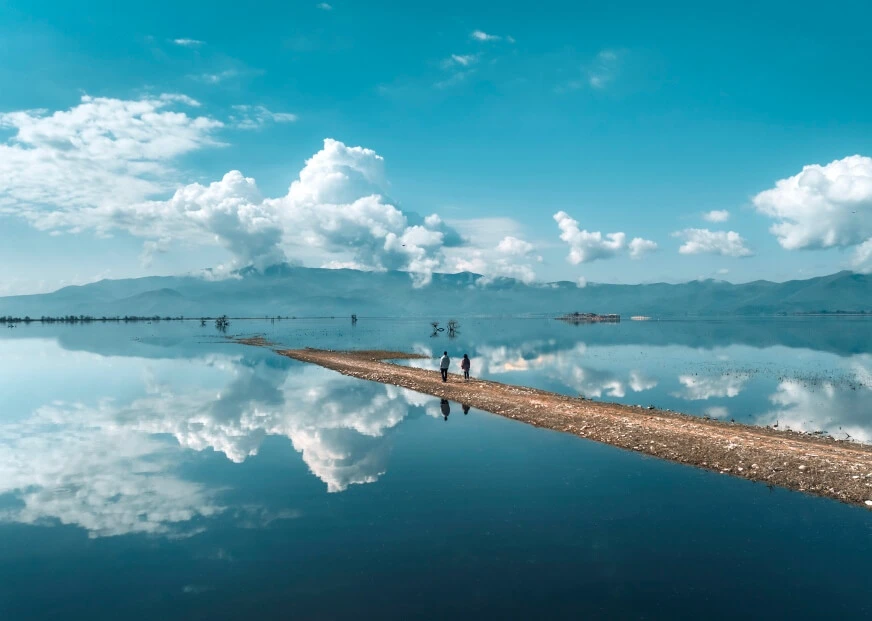
Escape to a winter like no other in Greece, where mild temperatures and captivating landscapes make for an inviting, memorable season. Compared to northern European climates, Greek winters are pleasantly temperate, with only a dusting of snow in mountainous regions and generally comfortable weather across much of the country. This mild winter opens up an array of accessible and breathtaking destinations, where you can soak up the rich blend of nature, culture, and history — all without the crowds of peak season. Embrace the warmth of Greek hospitality as you explore charming locales with vibrant traditions, tasty regional foods, and rejuvenating landscapes. Start your journey at Lake Kerkini, a picturesque wetland near Serres in Northern Greece. Protected by the Ramsar Convention on Wetlands of International Importance, Lake Kerkini is ideal for birdwatching, with a variety of rare and endangered waterfowl nesting there. You’ll also spot buffalo along the lakeshore. Outdoor enthusiasts can enjoy horseback riding, hiking, biking, and off-roading, while water sports fans can go canoeing, kayaking, or riding on plaves, the traditional flat-bottomed boats. When hunger strikes, enjoy local dishes — lake fish, eels, sardines, and carp — at traditional tavernas along the lakeside. In the Peloponnese, Nemea stands out as a premier destination, celebrated for its ancient winemaking heritage and archaeological significance. Just a short distance from Korinthos and Loutraki, this fertile region hosts Greece’s largest single vineyard, where the famed Agiorgitiko grape variety is cultivated. Known for producing world-class red wines, Nemea’s vineyards have thrived for thousands of years, yielding wines that range from fresh and fruity to full-bodied and complex. The terroir, enriched by white clay soil and a unique microclimate, makes for an exceptional wine-tasting experience that draws wine lovers year-round. Visitors can also explore the archaeological site, a reminder of Nemea’s storied past and the cultural depth of this wine-rich landscape. For a relaxing experience, head to the Pozar Thermal Baths in Pella, nestled among mountains and lush landscapes. These thermal springs, believed to have healing properties, furnish hot water to outdoor pools, hammams, and spa facilities. You can also explore the nearby forests and hidden caves, or even hit the ski slopes at Mount Kaimaktsalan. The region offers plenty of local delicacies, from fish from Lake Vegoritida to dishes paired with Xinomavro wine, the notable red varietal from nearby Amyntaio. Whether it’s the serene wetlands of Lake Kerkini, the historic vineyards of Nemea, or the rejuvenating hot springs of Pozar, Greece’s winter landscapes are sure to inspire. This season, let the inviting blend of nature, culture, and comfort draw you to Greece’s winter treasures — a wonderland waiting to be discovered!

08/01/2025
A Cozy Winter Adventure in Greece
Travel Tips

Blondie On the Move: Sailing the Aegean

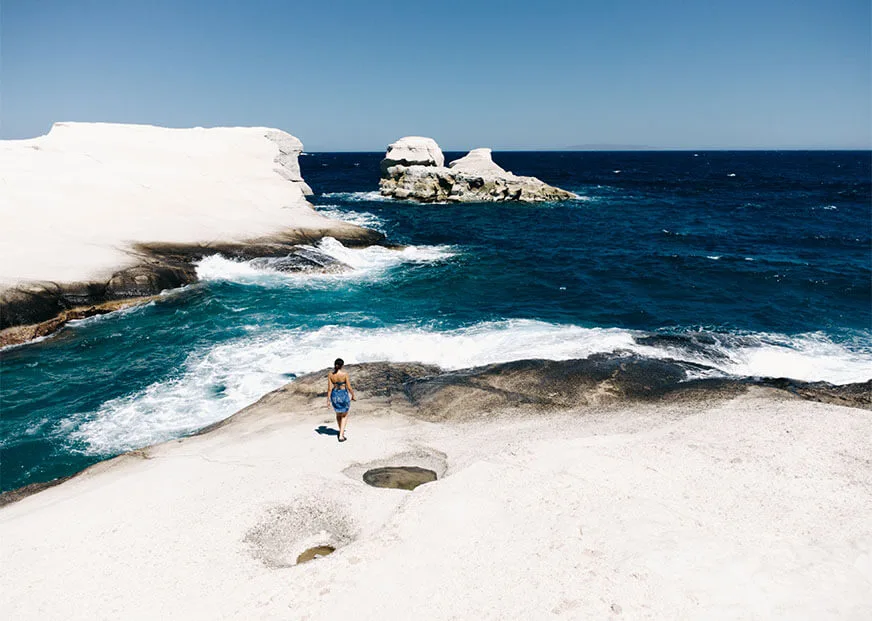
Greece is a place of endless beauty, where each island invites you to discover new adventures and stunning natural wonders. This summer, I had one of the most unforgettable experiences—sailing the Aegean Sea with Navy Blue, a top-rated company offering private boat tours and yacht charters in Milos. Our journey included three spectacular, off-the-beaten-path spots: Kleftiko, Sarakiniko, and Poliegos. It was pure magic from start to finish. Let me take you along on this incredible day at sea… Seamless Service and Unmatched Hospitality The day kicked off with a smooth pick-up directly from my hotel. From the moment I met the crew, I knew I was in good hands. They were friendly, professional, and seemed to anticipate my every need. Their focus on personalized service turned what could have been just another Milos boat tour into a luxurious escape. The yacht itself was sleek and spacious, offering stunning panoramic views of the deep blue Aegean Sea. It was clear that Navy Blue prioritized quality and comfort even there, allowing me to fully relax and soak in every moment of this unique adventure. Kleftiko: Discovering a Hidden Paradise Our first stop was Kleftiko, a secluded bay on Milos known for its dramatic rock formations and crystal-clear waters. Accessible only by boat, Kleftiko feels like a secret paradise. As we approached, I was blown away by the towering cliffs, hidden caves, and vibrant turquoise waters. We had ample time to swim and snorkel, making it an unforgettable “snorkeling tour” that I’ll never forget. Sarakiniko: A Surreal Lunar Landscape Next up was Sarakiniko, one of Milos’ most iconic spots. The stark white rock formations create a landscape that looks like it belongs on the moon. The contrast between the bright white rocks and the deep blue sea was simply breathtaking. We took a swim, snapped plenty of photos, and wandered around the unique geological formations. The crew’s knowledge of the area added an extra layer of depth to the visit—they shared fascinating insights into the history and geology of this remarkable place. Poliegos: Secluded Serenity at Its Best Our final destination was Poliegos, an uninhabited island famous for its untouched natural beauty. As we sailed closer, I immediately understood why Poliegos is one of the Aegean’s hidden gems. The beaches were pristine, the water was unbelievably clear, and the surroundings were nothing but peace and quiet. The crew anchored the yacht in a secluded cove, giving us the perfect spot for a swim and some relaxation in complete solitude. The highlight of this stop was a delicious Mediterranean lunch, freshly prepared on board. The local flavors, paired with the stunning scenery, made it a meal to remember. A Must-Do Experience If you’re planning a trip to Greece and want to explore the Aegean Sea from a new perspective, I can’t recommend Navy Blue enough. Whether you’re looking to rent a boat in Milos and be your own captain, seeking a private escape, a family adventure, or simply a relaxing day on the water, Navy Blue delivers an experience that goes above and beyond. Their attention to detail, warm hospitality, and insider knowledge of Milos and the surrounding islands create a journey you won’t find anywhere else. For unforgettable Milos day trips, their personalized boat tours and yacht charters are second to none. And for an even more enchanting experience, consider their Milos sunset cruise—the perfect way to end a day at sea. Experience the beauty of Greece like never before with Navy Blue Premium Yachting—your gateway to unforgettable memories in the heart of the Aegean Sea.

07/01/2025
Blondie On the Move: Sailing the Aegean
Travel Tips

The MICHELIN Guide Athens 2024 Unveils Its New Selection

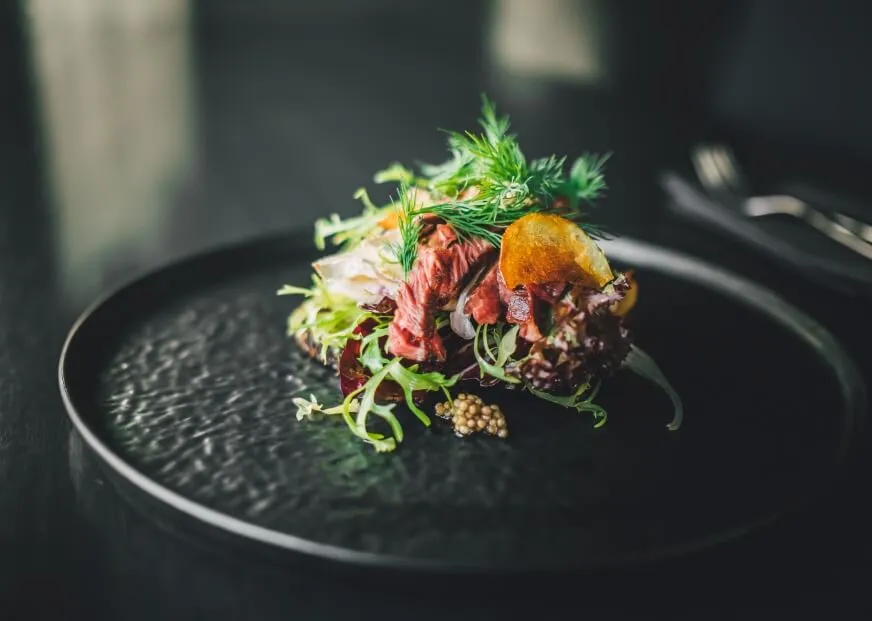
Makris Athens earns its first MICHELIN Star Two new establishments receive the Bib Gourmand distinction The MICHELIN Guide Athens 2024 features 36 restaurants, including 7 new entries Today, the MICHELIN Guide published its 2024 selection of the Greek capital’s finest restaurants. Gwendal Poullennec, International director of the MICHELIN Guide said : "Greek cuisine embodies the soul of the Mediterranean and Aegean seas, a culinary heritage that bridges traditions and regions. Today, it represents much more than just a cultural expression: it is a strategic driver for the Greek economy and a vehicle for international influence. At the crossroads of tourism and gastronomy, Greece leverages its ability to blend creativity with authenticity. Our inspection teams have praised the efforts of an entire sector that enhances the country’s appeal on the global stage, making gastronomy a cornerstone of Greece’s soft power and its sustainable development strategy." In the MICHELIN Guide Athens 2024, Delta has maintained its Two MICHELIN Star status. 11 MICHELIN-Starred Restaurants, Including One New Addition This year’s selection includes 11 one-MICHELIN-Star restaurants: those recognized last year (Botrini’s, CTC Urban Gastronomy, Hervé, Hytra, Patio, Pelagos, Soil, Spondi, The Zillers, and Tudor Hall) as well as one new addition. Makris Athens Opposite the ruins of the Agora, the epicenter of political, commercial and social activity in Ancient Athens, this locale is housed within a building steeped in history. The interior design seeks to immerse diners in the fascinating local history (with a glass floor unveiling ancient artifacts belowground), while chef Petros Dimas traces the boundaries of culinary creation to showcase the country’s rich gastronomic heritage. The lion’s share of ingredients come from the chef’s own farm, located just 45 minutes from the restaurant, something that enhances the quality of the dishes that grace his menus: Genesis, Utopia and Physis Vegan. Green Stars Restaurants honored with this distinction showcase that gastronomic evolution and culinary excellence go hand in hand with a commitment to ecology and environmental responsibility. This approach aligns with the growing expectations of diners, who increasingly recognize the importance of implementing sustainable practices across all industries. Leveraging gastronomy as a tool to promote these values is no longer just an aspiration but a necessity at all levels to address the contemporary challenges faced by the sector in light of environmental concerns. Athens had three MICHELIN Green Star establishments: Delta, Patio, and Soil. The way their chefs approach their craft, select their ingredients, and communicate their philosophy to diners fosters awareness and enhances their influence not only on Athens’ gastronomic scene but across the entire country. Bib Gourmand This Category Highlights Establishments Offering the Best Value for Money. This year, the inspection team has selected six venues where guests can enjoy a complete meal at a reasonable price. Cerdo Negro 1985, Fine Mess Smokehouse, Jerár, and Nolan retain their distinction and are joined by two new additions. Of these locales, that are always popular among the inspectors and greatly sought-after by international gourmets, the two new entries were: Akra: Chef duo, Giannis Loukakis and Spiros Pediaditakis transcend a purely culinary offering to propose a comprehensive, zestful and laid-back sensory experience in the heart of the Pangrati neighborhood. The restaurant, with its enticing bakery-cum-cakeshop at the entrance, oozes character and flies the colors of barbecue cuisine, with an interesting half portion option, that changes each day. Pharaoh: It is undeniable that the world is progressing at breakneck speed, so it is extremely refreshing to see how, in this restaurant, with its modern-industrial design, chef Manolis Papoutsakis draws on Greek culinary traditions and delves fearlessly into the culinary past. He strives to reproduce the authenticity of bygone flavors, carefully selecting ingredients which he prepares simply over wood and charcoal. This intriguing mindset is not incompatible with the contemporary approach to service and presentation. 4 new restaurants Recommended by the inspectors In addition to the establishments honored with MICHELIN Stars, Green Stars and Bib Gourmands, the inspectors were also impressed by 4 restaurants which, thanks to the high level of their cuisine, have rightfully earned a place in the selection. With Dolli’s, Esthiō, Gallina and Ovio, the number of Recommended restaurants in Athens for 2024 has risen to 18. The MICHELIN Guide Athens selection for 2024 is available free of charge, on the MICHELIN Guide Athens website and app. The selection of restaurants recommended in each category join the MICHELIN Guide’s hotel selection, highlighting the most exclusive places to stay in Athens and all over Greece, as well as other sensational destinations worldwide. The MICHELIN Guide Athens 2024 at a glance: 3 Stars: No establishments selected. 2 Stars: 1 restaurant 1 Star: 11 restaurants (1 new entry) Green Star: 3 restaurants Bib Gourmand: 6 restaurants (2 new entries) Recommended: 18 restaurants (4 new entries)

19/12/2024
The MICHELIN Guide Athens 2024 Unveils Its New Selection
Total 100 items<1234...13>

It takes a lifetime to discover Greece,

but it only takes an instant to fall in love with her.

—Henry Miller

Let Greece inspire you!

Subscribe to our newsletter and discover unique ideas and hidden treasures for your next trip.