Route information
Distance
72 km
Estimated duration
2h 10min
Difficulty level
Easy
Route type
Road
Route Category
Linear
72 km
2h 10min
Easy
Road
Linear
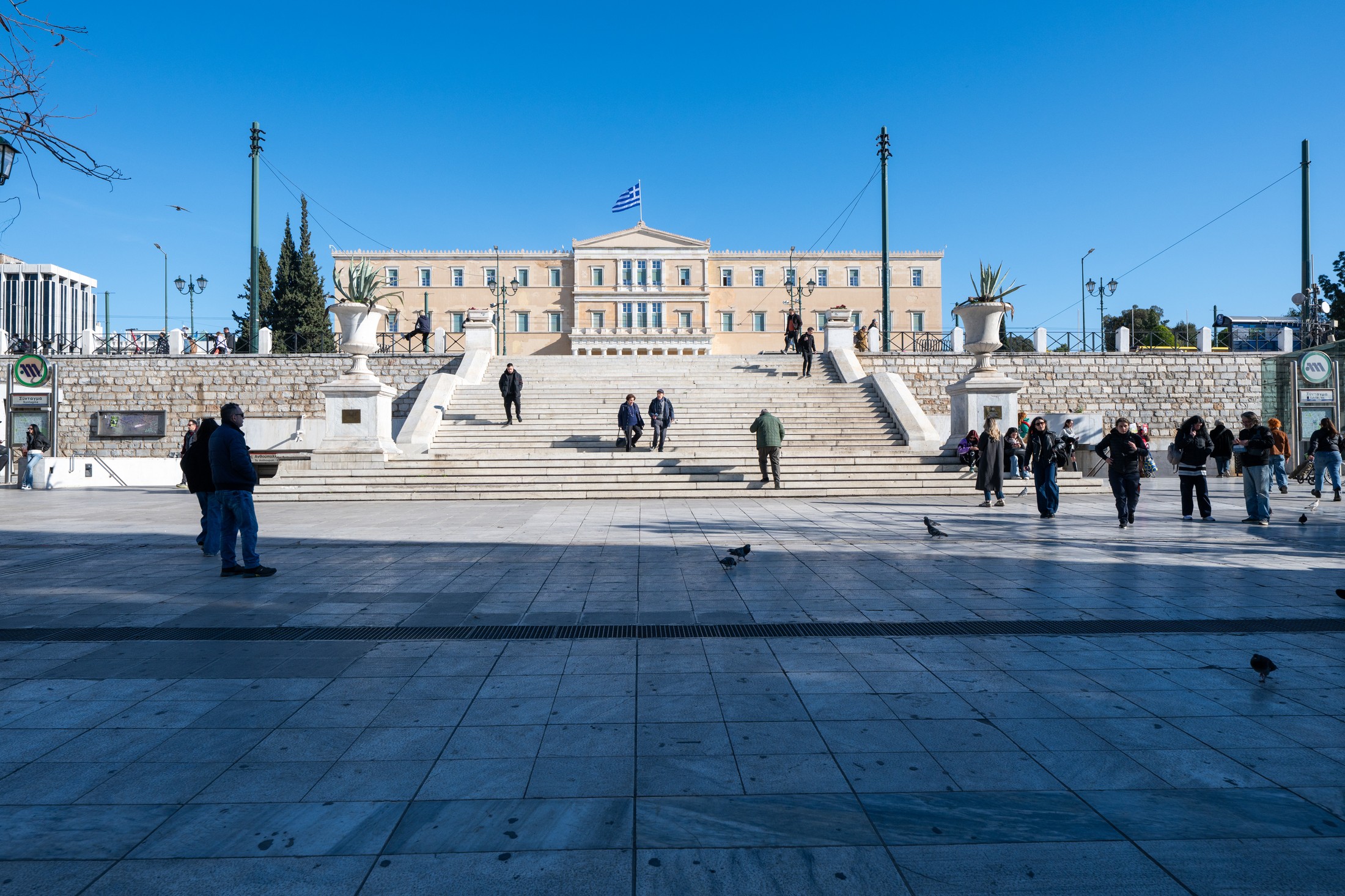
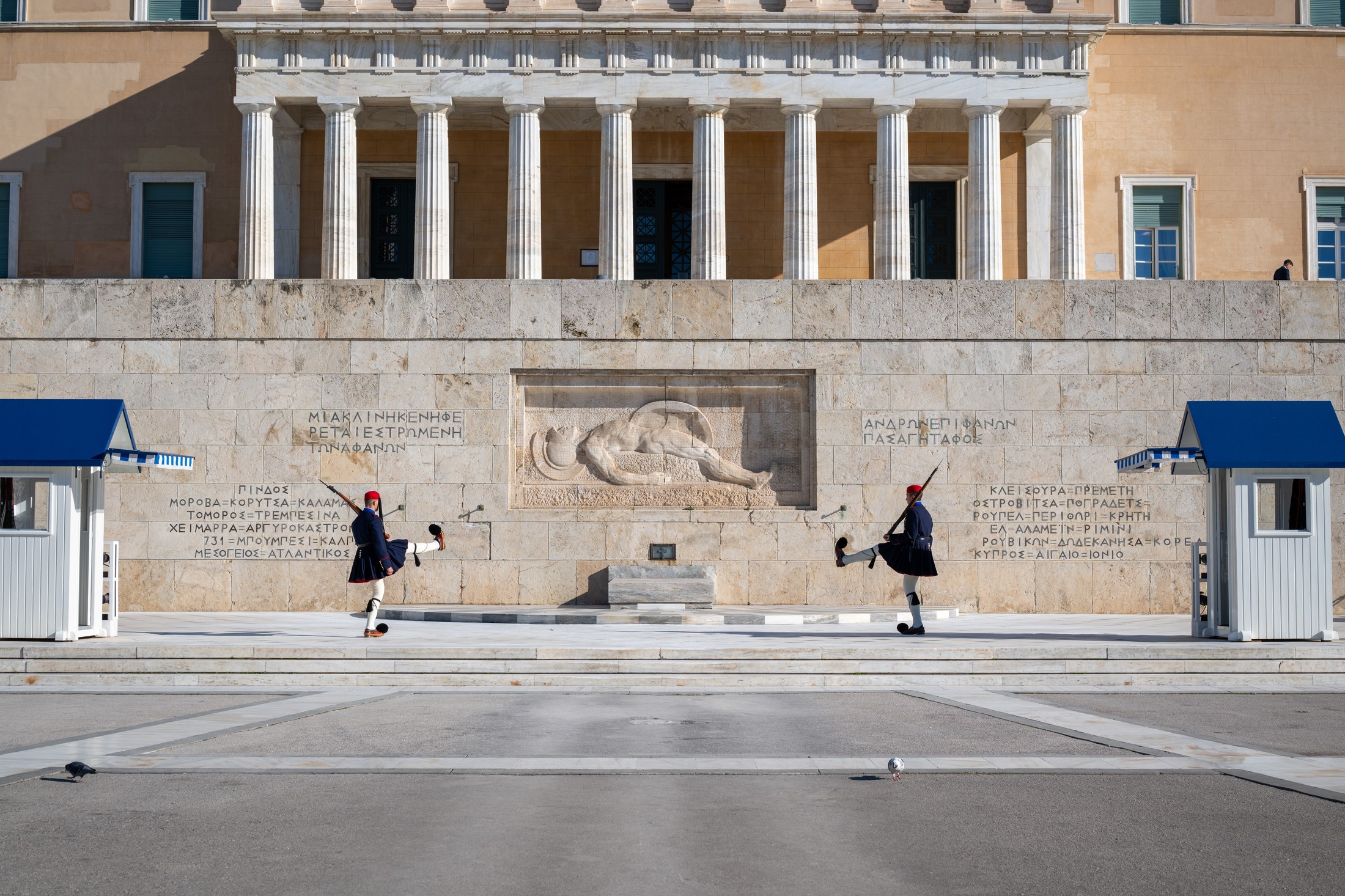
Start at Syntagma Square and the Tomb of the Unknown Soldier, where the locations of deadly battles fought by the Greek army during its modern history are engraved in sections.
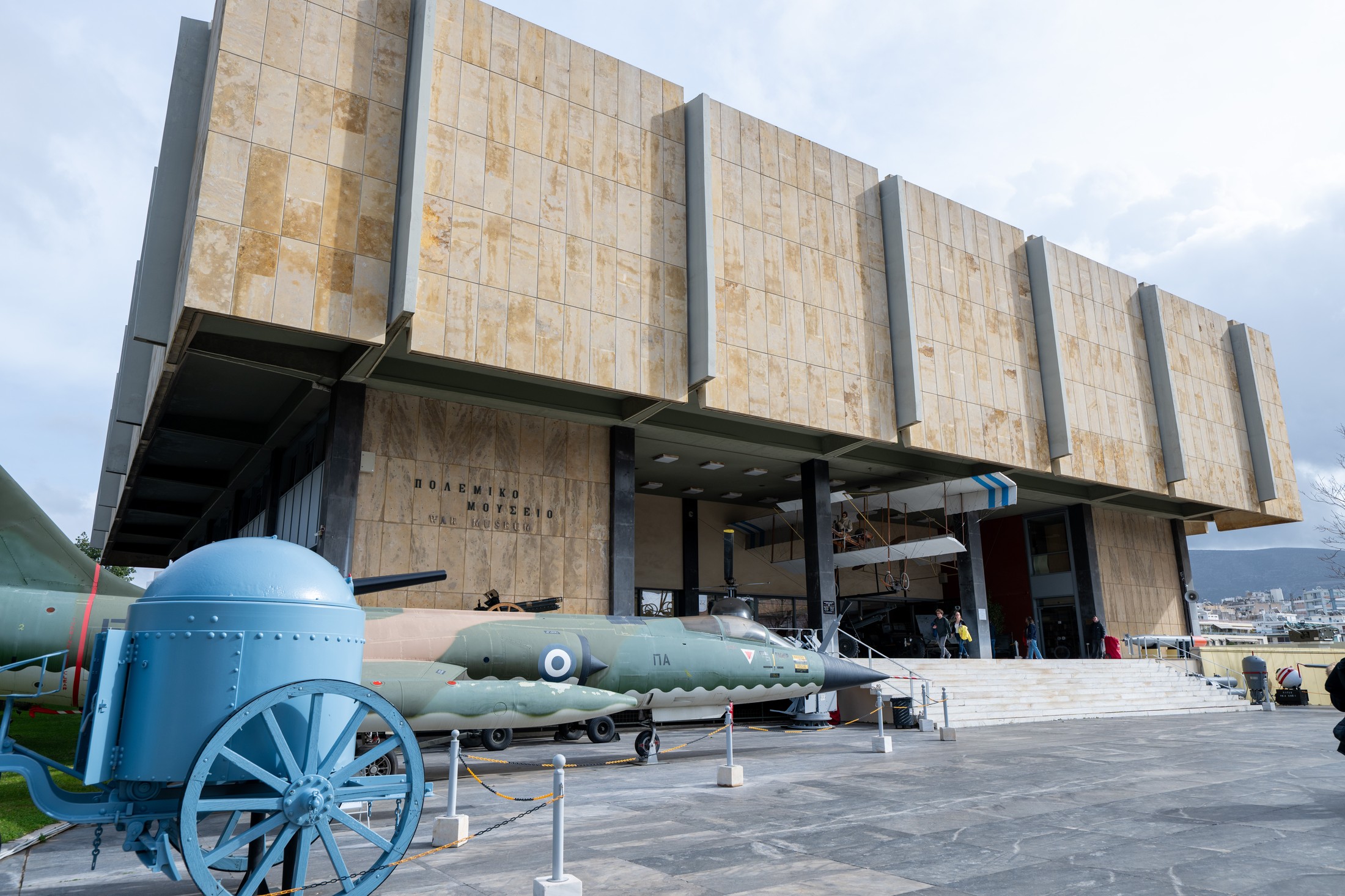
Visit the Athens branch of the War Museum, the halls of which exhibit all kinds of war relics, souvenirs, and artworks of the military history of the Greeks from antiquity to the present day.
In three different suburbs of Athens, three different military cemeteries illuminate different aspects of Greece's modern history. The Nikaia Military Cemetery is one of the largest in the Balkans with approximately 35,000 people having been buried there, and sections dedicated to different communities and historical periods.
For information regarding accessibility at points of interest, we recommend you contact the local municipalities and museums by telephone before your arrival.
The Phaleron War Cemetery is divided into wings according to the nationality of the fallen and is the resting place of approximately 2,050 soldiers of the British Commonwealth who lost their lives mainly during the Second World War. The deeply moving phrase "Known unto God" adorns the approximately 600 graves of unidentified soldiers.
For information regarding accessibility at points of interest, we recommend you contact the local municipalities and museums by telephone before your arrival.
Reach Glyfada and the Air Force Cemetery, where numerous monuments honour the sacrifices of fallen Greek airmen from the First World War until the present.
The staunch resistance displayed by the Greeks during the German Occupation has been scribed in letters of gold in the global history of the 20th century. Between 1942 and 1944, hundreds of Greek resistance fighters were killed at the Kaisariani Shooting Range, culminating on 1 May 1944 with the mass execution of 200 Greek fighters as reprisals for the actions of the guerrillas. Visit the site, which functions as a memory park, and see the two large vertical columns at the site of the executions, in front of the stone wall, as well as the twelve horizontal columns made of black granite with the engraved names of the victims.
If you have more time at your disposal, it is worth taking the time to go to Rafina and see the Ruins of the German Fortification constructed in 1941 by the occupation forces. Although most of the fortifications were destroyed when the Germans retreated from Greece, parts of the trenches, outposts, and underground installations can still be identified.
Subscribe to our newsletter and discover unique ideas and hidden treasures for your next trip.