Marathon
12°C
Marathon
- 16/11/2026
- Humidity 95%
- Wind speed 5 km/h

From the ancient battle to the Marathon race
It all began in 490 BC, when the Greeks defeated the Persians in the legendary battle of Marathon. Tradition has it that an Athenian runner ran from Marathon to Athens to announce the victory, inspiring the Marathon race centuries later.
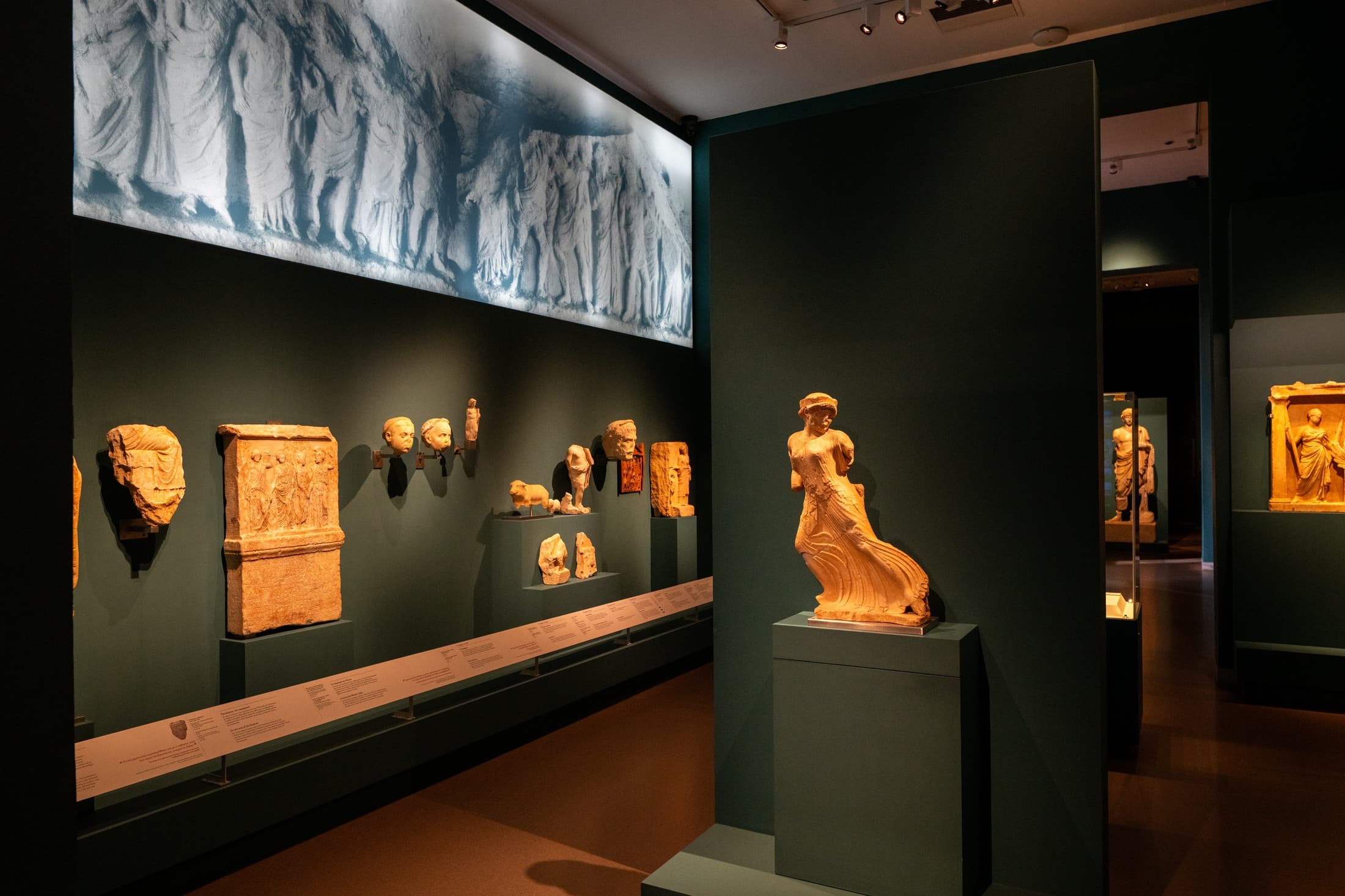
Marathon’s history extends far beyond a single event. Archaeological ruins, burial mounds, sacred sites, and monuments combine to create a landscape with a significant past.
At the same time, the area is replete with natural beauty and diverse landscapes. The sea stretches along an approximately 40-km coastline, featuring lacelike shores, sandy beaches, and tranquil coves. Inland, trails, gorges, and cool streams lead to small churches, monasteries, and convents – all just a stone's throw from Athens.
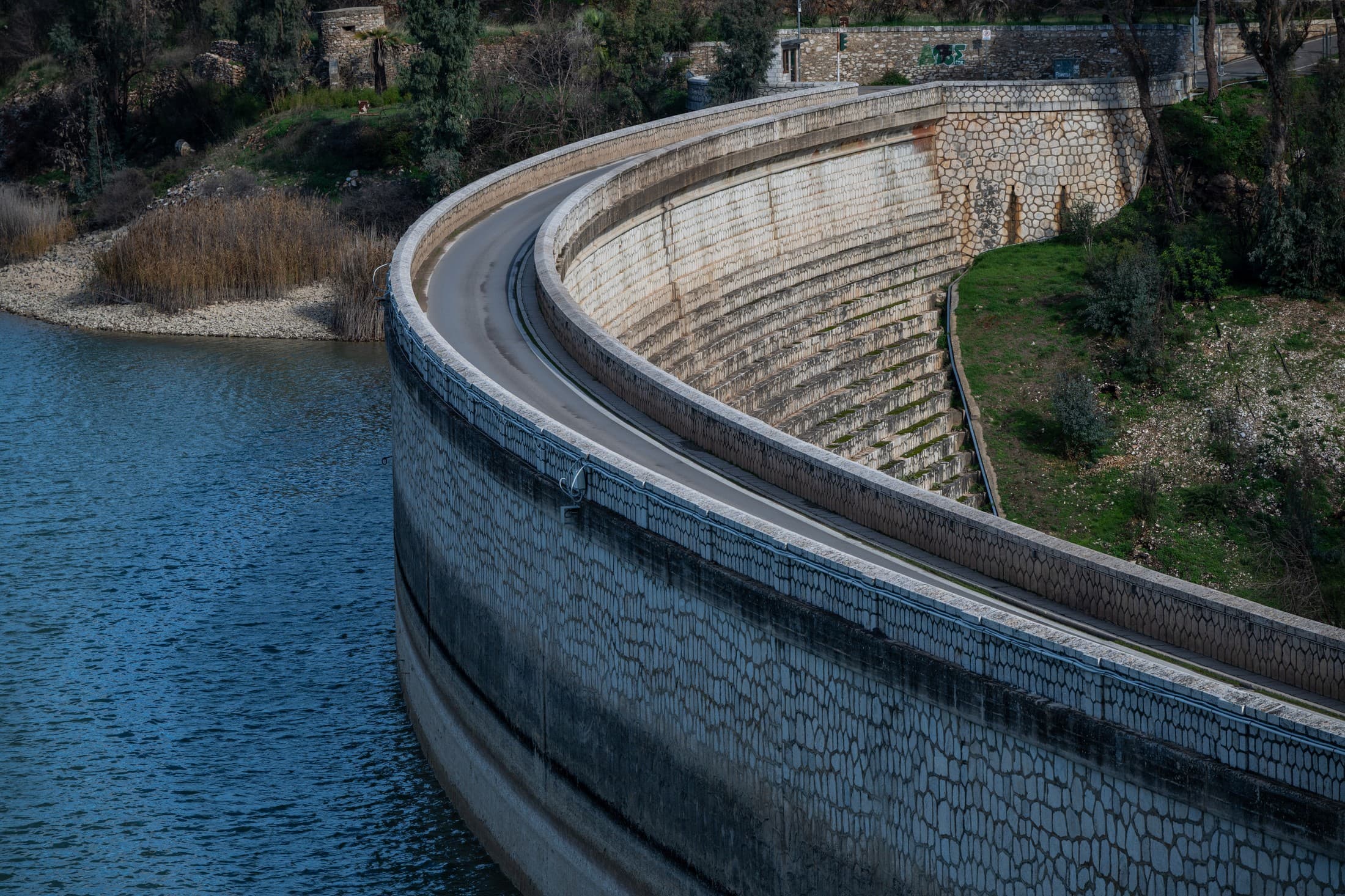
The lake of Marathon, an important infrastructure project and a regional landmark, contributes substantially to the natural landscape of northeastern Attica. The Schinias National Park is the most important coastal ecosystem in Attica, part of the Natura 2000 network, and is home to rare species of birds, fish, and reptiles.
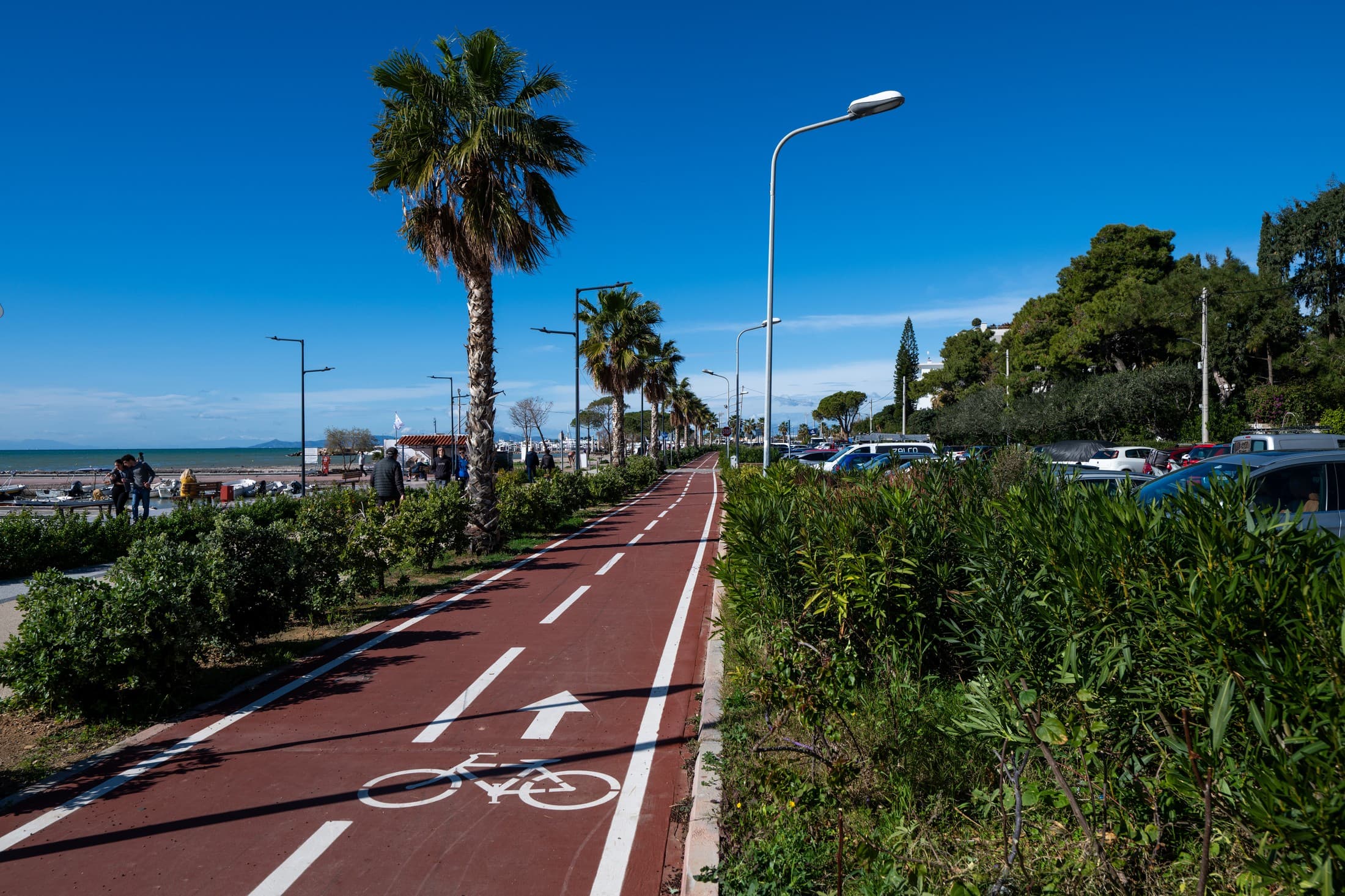
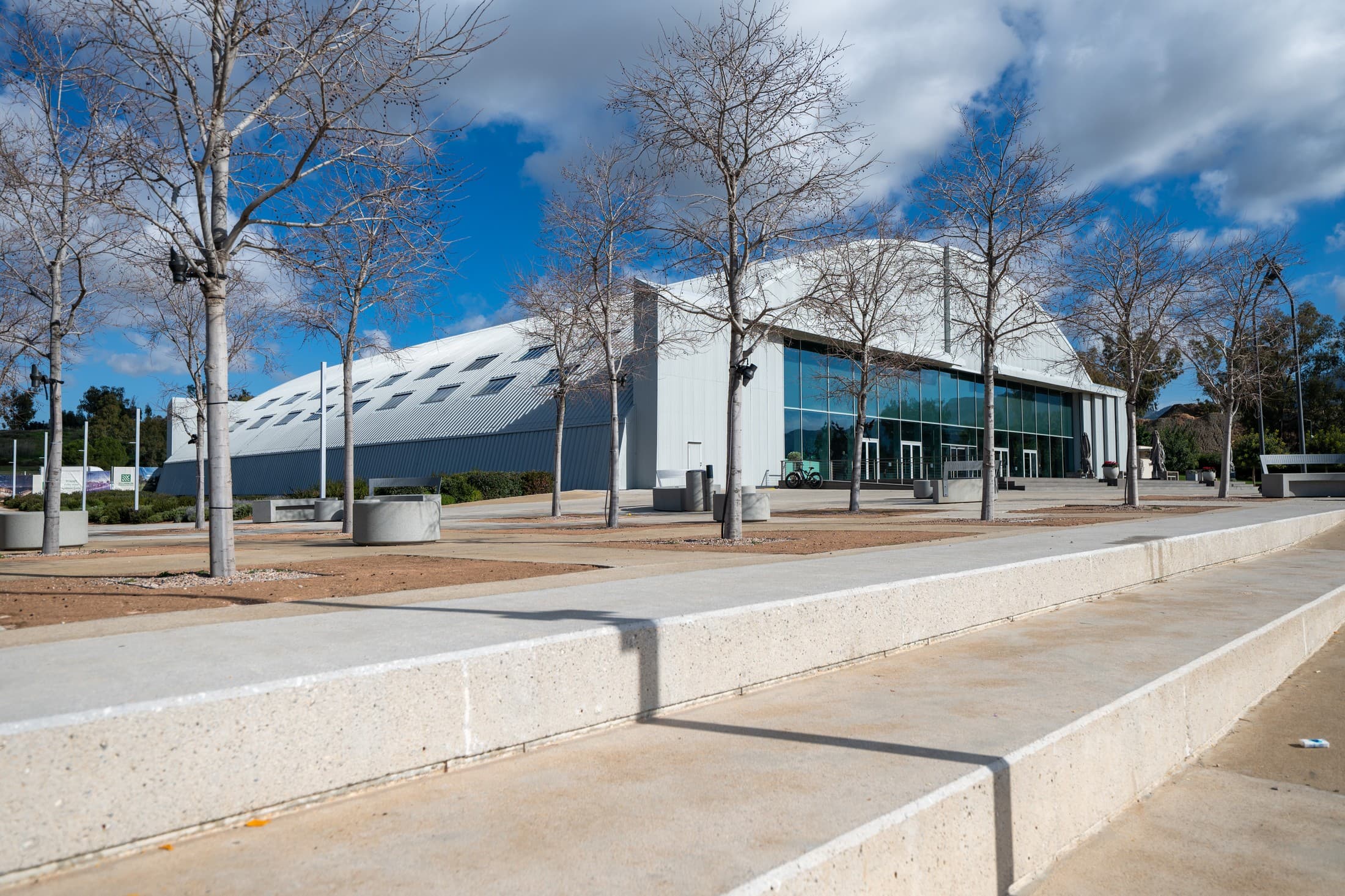
The area hosted facilities for the Athens 2004 Olympic Games, such as the Olympic Velodrome, the Equestrian Centre, and the Schinias Rowing Centre. Today, it offers a plethora of activities, from water sports and swimming to hiking and cycling.
Snapshots
Postcards from a land of endless beauty.


Signature Experiences
Get a glimpse of the Greek way of life
Category
How to get there?
By Bus
Marathon is connected to Athens by suburban bus services, mainly departing from Pedion Areos in central Athens. Buses run regularly throughout the day and provide a direct and affordable connection to Marathon and nearby coastal areas.
Nearby Escapes
Discover hidden gems just a short journey away
View All
Let Greece inspire you!
Subscribe to our newsletter and discover unique ideas and hidden treasures for your next trip.