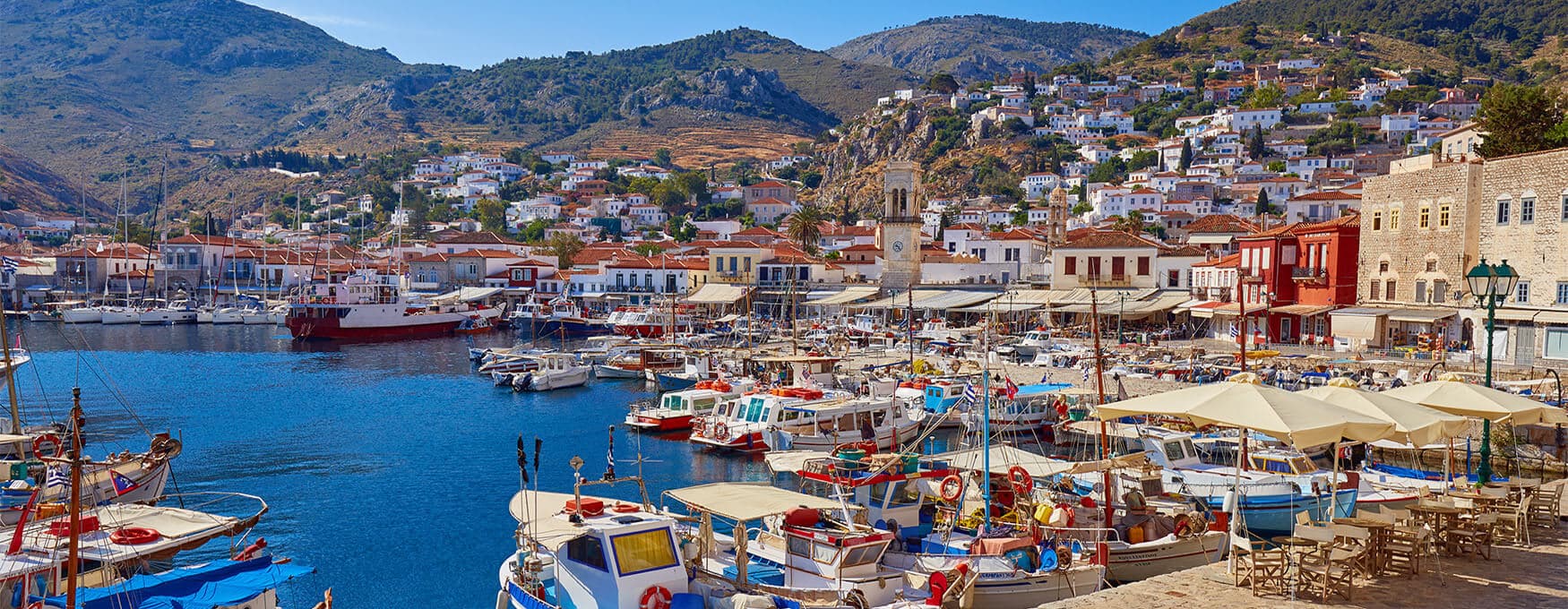
A Legacy of Flavours and Elegance
The culinary heart of Hydra, the cosmopolitan jewel of the Saronic Gulf, beats to the rhythm of a rich history. The local cuisine is a fascinating blend of maritime tradition and urban luxury, where fresh seafood harmoniously co-exists with hearty meat dishes.
Flavours inspired by the Golden Age of Shipping
The golden age of Hydra's maritime trade in the 18th century brought commercial prosperity to the island and access to exquisite goods. The ships of Hydra carried grains, spices, and even caviar, shaping a culinary identity that was renowned for its quality. In the kitchens of imposing mansions, charcoal ovens and traditional ventilation systems (rudimentary extractors) prepared dishes that today serve as a benchmark for every visitor.
Authentic Recipes from Land and Sea
Lovers of the sea who visit the island's restaurants will relish exceptional seafood dishes, savoro-style red mullet, cuttlefish pilaf, and the renowned calamari of Hydra. For those who prefer meat, lamb kapama and Christmas-style veal offer unique delights. A special place is held by gogles, handmade pasta in the shape of a sea urchin that are served with hot, local butter, as well as traditional pies with wild mountain herbs.
Easter Traditions
Easter on Hydra retains its unique character, with the traditional magiritsa (tripe soup) and roasted lamb dominating the cuisine. This distinguishes the island from the tradition of stuffed goat that you might encounter in other areas of the Aegean.
A Sweet Finale: Amygdalota and Lalangites
The experience concludes with the island's renowned confections. Hydra's amygdalota (almond biscuits), with their delicate aroma, are the ultimate local treat, alongside skaltsounia (nut-filled pastries) and zacharobaklavades (square almond treats). However, the peak treat is none other than lalangites, traditional pancakes drizzled with honey or grape molasses, perfectly symbolising the sweet hospitality of this historic land.
Flavours inspired by the Golden Age of Shipping
The golden age of Hydra's maritime trade in the 18th century brought commercial prosperity to the island and access to exquisite goods. The ships of Hydra carried grains, spices, and even caviar, shaping a culinary identity that was renowned for its quality. In the kitchens of imposing mansions, charcoal ovens and traditional ventilation systems (rudimentary extractors) prepared dishes that today serve as a benchmark for every visitor.
Authentic Recipes from Land and Sea
Lovers of the sea who visit the island's restaurants will relish exceptional seafood dishes, savoro-style red mullet, cuttlefish pilaf, and the renowned calamari of Hydra. For those who prefer meat, lamb kapama and Christmas-style veal offer unique delights. A special place is held by gogles, handmade pasta in the shape of a sea urchin that are served with hot, local butter, as well as traditional pies with wild mountain herbs.
Easter Traditions
Easter on Hydra retains its unique character, with the traditional magiritsa (tripe soup) and roasted lamb dominating the cuisine. This distinguishes the island from the tradition of stuffed goat that you might encounter in other areas of the Aegean.
A Sweet Finale: Amygdalota and Lalangites
The experience concludes with the island's renowned confections. Hydra's amygdalota (almond biscuits), with their delicate aroma, are the ultimate local treat, alongside skaltsounia (nut-filled pastries) and zacharobaklavades (square almond treats). However, the peak treat is none other than lalangites, traditional pancakes drizzled with honey or grape molasses, perfectly symbolising the sweet hospitality of this historic land.