







RECIPES
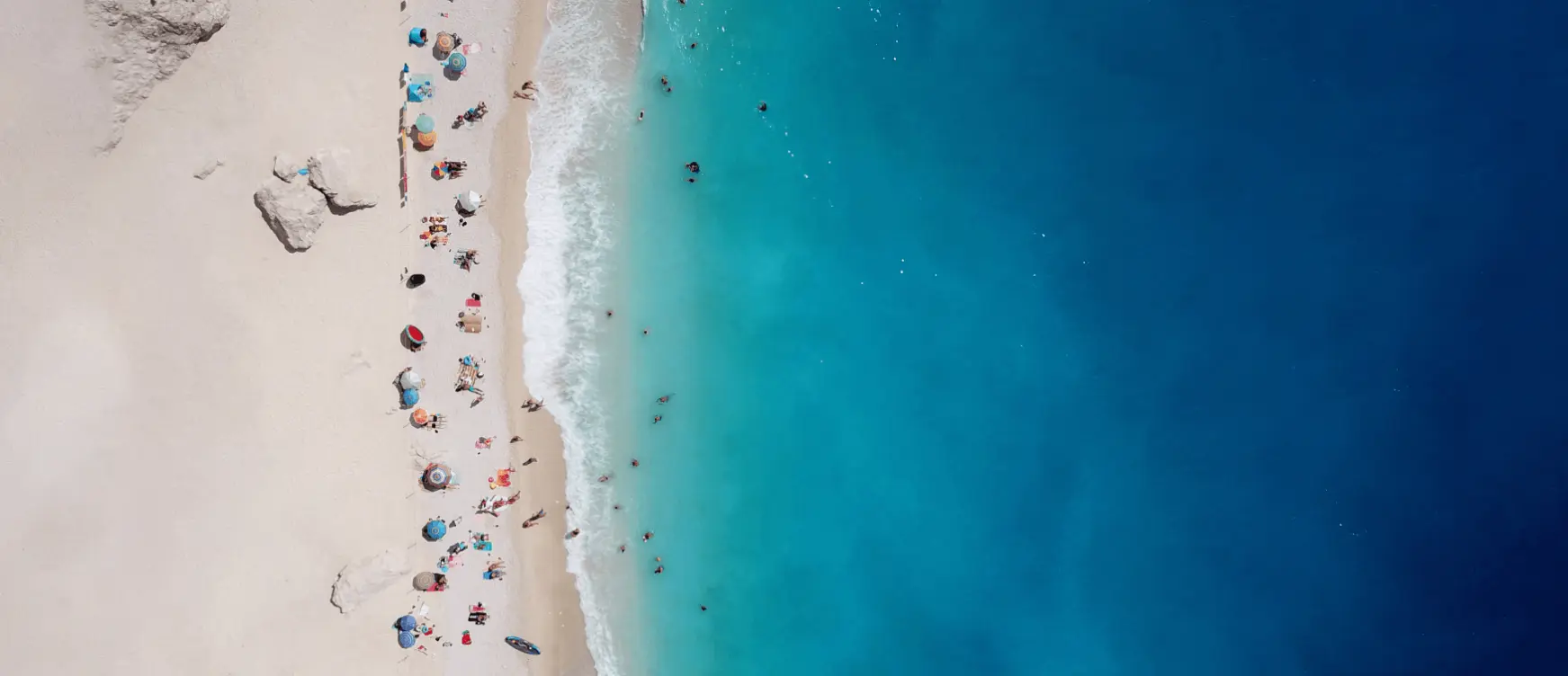


No part of Greece is more than 137km from the sea.
The species and subspecies of the native plants in Greece are about 6,000, almost as much as 50% of the native plants of Europe!
Greece is a leading producer of sea sponges.
Did you know that most days of the year are sunny in Greece? 250, to be exact.
Did you know that Greece has the biggest EU consumption of olive oil per capita, with around 12 kg per person per year?
Feta, which is made from sheep and goat’s milk, is Greece’s national cheese. It dates back to the Homeric ages, and the average per-capita consumption of feta cheese in Greece is the highest in the world!
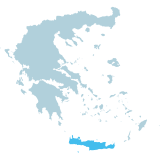
Crete's history as well as the inhabitants' personality were affected by the island's mountainous landscape.
Did you know that in Greece you can enjoy skiing with a sea view?
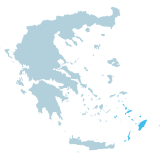
On Anafi Island, lies the rock of Kalamos, the second highest monolithic limestone after Gibraltar; a must-see for climbers who will enjoy a great challenge here.
About 7% of all the marble produced worldwide comes from Greece.
Greece has historically engaged in wine making. Take for example Dionysus, the son of Zeus, the god of the grape-harvest, winemaking and wine. His face is seen today on the sommelier’s pin which is a symbol of respect to wine’s contribution throughout history.
Greece has historically engaged in wine making. Take for example Dionysus, the son of Zeus, the God of the grape-harvest, winemaking and wine. His face is seen today on the sommelier’s pin which is a symbol of respect to wine’s contribution throughout history.
Continuously inhabited for over 7,000 years, Athens is one of the oldest cities in Europe.
Greece is the place where democracy was born. But democracy in ancient Athens was significantly different from modern democracies. It was both more participatory and exclusive, and there were no political parties in Athenian democracy.
Greece's national drink is ouzo. Ouzo is a dry anise-flavoured aperitif. Cheers, "stin igia mas" in Greek!
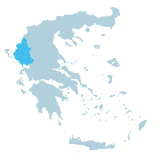
Did you know that Epirus is the most mountainous territory of Greece and the poorest in the EU; however it has a unique natural wealth!
Alexander the Great, one of history’s greatest warriors and leaders of all time, was Greek. Alexander the Great conquered land all the way from Greece to Asia. His achievements and conquests gave rise to the later Hellenistic period (323 BC - 31 BC).
Did you know that Greece has around 6,000 islands, islets and rocky islets? 2,000 of them are islands and only 107 of them are inhabited!
Did you know that Greece is the 4th largest cheese producer worldwide. Greeks eat 28 kg per capita per year. And guess what, mostly feta cheese!
In Greece, people celebrate the “name day” of the saint that bears their name in a similar way to their own birthday.
Travel to the heart of the Cyclades
Timeless Roots, Vibrant Spirit
A rising destination in the Cyclades
The Big Blue
The "handmade" island
The island with heavenly beaches
Welcome to the Cyclades
The Exciting Island
Simply irresistible
An island of raw beauty
A balanced and harmonic cycladic island
Anti-conformist & carefree
The Chalk Island
Bathed in the sunlight of the Aegean Sea
A piece of heaven in the Lesser Cyclades
The head priest of the Cyclades
A Butterfly-Shaped Island
The Sponge Harvesting and Rock Climbing Island
The wild beauty of the Dodecanese
Wild and Beautiful
A Remote Treasure Island
Hippocrates’ Island
Calypso’s Island
A lesser known gem in the Dodecanese
Island with a Unique Volcanic Terrain
Religious legacy meets beauty of Nature
The island of vivid contrasts
A Fairytale-like Island
The perfect choice for a laid-back holiday
The island of the Great Gods
A Tapestry of Natural Wonders and Cultural Riches
An island of sheer beauty
The island of Hera and Pythagoras
The island of glorious past & pristine beauty
An archipelago away from the crowds
Τhe remote islands of ship owners
Share your moments in Greece